
23 terms every coffee lover should know
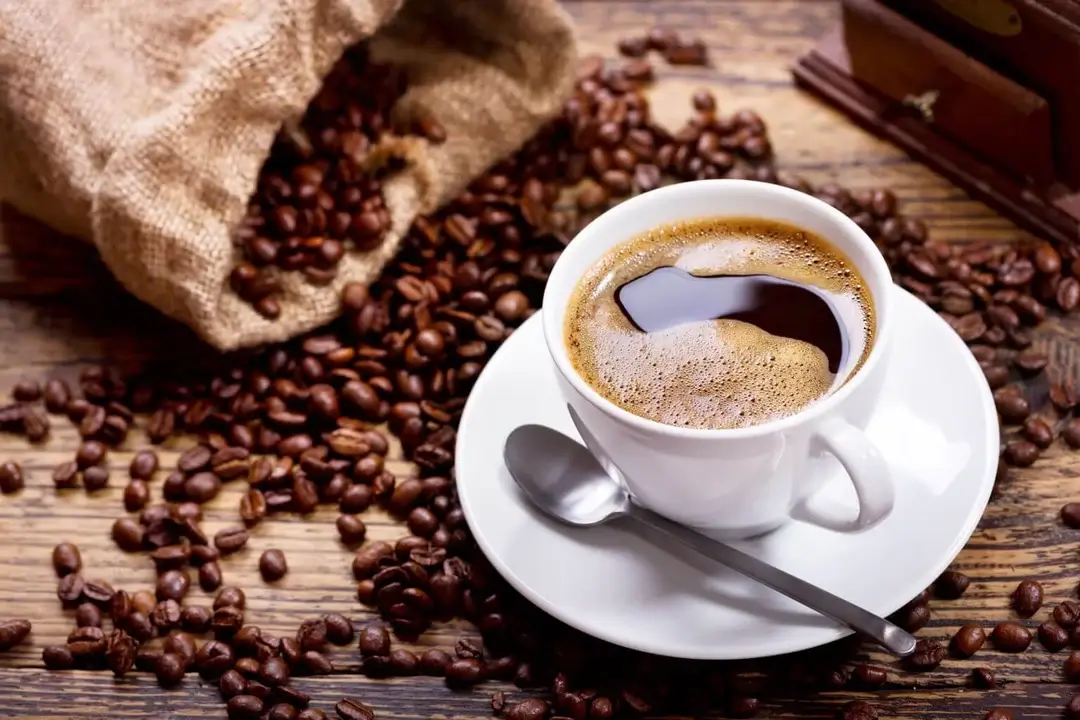
/images/23-terminos-que-debes-saber-si-eres-amante-del-cafe.webp or change the attribute src of this image.The coffee vocabulary is a compendium of the most popular and interesting terms used by the most experienced consumers.
Our taste for coffee has gradually become a cultural matter. After all, it is a product that is consumed, on average, about 1.4 billion times a day worldwide. In Mexico, 85% of adults may drink between one and three cups a day. Given this great movement of coffee lovers, we want to share a series of terms that, as a consumer, you should know. Coffee vocabulary
Letter A
Acidity. A key element when drinking coffee. It centers on the sensation of a sip, felt at the back of the tongue. It can vary depending on the brewing method used. For example, the longer the bean is roasted or the longer the extraction, the lower the acidity. Even so, at any intensity the flavor is pleasant and helps the aroma stand out.
Bitter. One of the basic tastes that can be perceived in caffeine, quinine, or some alkaloids. It appears when the bean's roast level is higher, combined with the way the drink is prepared.
Aroma. The smell coffee gives off when it begins to be prepared in a coffee maker or with another extraction method.
Arabica. A type of coffee bean, recognized worldwide as the best quality. It is grown in Mexico, Central America, and South America. It is also found on the coasts of Africa and in some parts of Asia. Growing it requires special soil conditions and altitudes between 600 and 2,000 meters above sea level. There must also be a balance between heat and humidity.
Americano. A coffee preparation of American origin, made simply with coffee and water.
Letter B
Barista. The term used for the professional who specializes in preparing coffee. Among their duties is choosing the bean to use for a drink. They also know how to operate different types of coffee makers, decorate drinks, and prepare a variety of coffee-based creations.
Bird-Friendly. When coffee has truly been grown in the shade, with a completely natural process in the tropical forest. A certificate is awarded.
Letter C
Cold Brew. A coffee preparation that evolved from iced coffee, made with cold water. It has a bitter taste and the ice cubes melt more slowly.
Cappuccino. A coffee born in Italy that combines espresso with milk. When served, it is topped with a generous layer of foam that can be finished with cinnamon or cocoa powder.
Caramel. The name given to a coffee's flavor and aroma because it reminds the consumer of the smell of caramelized sugar.
Ashy. A type of smell perceived in coffee, similar to a smoker's fingers. It is a positive attribute for the flavor and aroma of coffee.
Body. Used to refer to the texture and physical feel of the coffee, when looking at it and tasting it.
Cortado/Latte. The classic coffee mixed with milk, without overpowering the coffee's flavor.
Turkish Coffee. A coffee preparation without a filter, with a quite intense flavor. The beans are ground with a mix of herbs in a pot with water and sugar. It is served in small cups and left to settle before drinking.
Cafinar. The term used on digital media to say we're drinking coffee "on the go" or "to go," where you must walk gracefully to sync your steps with each sip.
Letters D - R
Sweet. A type of flavor associated with flavors such as fruit, chocolate, and caramel.
Double Espresso. Used to ask the barista for a coffee with a double shot, or portion, of coffee.
Espresso. A coffee preparation of Italian origin, known as one of the most concentrated of all.
Spiced. Spiced coffee is one in which some spices can be detected in the flavor when drinking it, such as cinnamon, ginger, or cardamom.
Bloom. A technique for releasing the gases trapped in coffee. To do it, a small amount of hot water is poured over the ground coffee before the infusion.
Q grade. A certification for coffee tasters, accredited by specialized organizations, who are able to analyze arabica coffee through aroma and flavor.
Robusta. A type of coffee bean characterized by a round body and twice the caffeine of Arabica. Its quality and price are lower, and it represents 30 to 40% of world production.
Aftertaste. The amount of time a flavor stays alive after touching the taste buds.