
Get to know and understand coffee better.
Categories
All terms
Showing 12 of 206 terms

Acidity
Flavors, Aromas, and CuppingIn the world of coffee, acidity is not a flaw: it is a virtue. If you have ever wondered what acidity means in coffee, imagine that fresh spark reminiscent of a green apple or a citrus fruit. It is what gives the cup life, brightness, and energy. When well balanced, it elevates the whole profile. Pro level activated.

Lactic Acidity
Flavors, Aromas, and CuppingThis type of lactic acidity is not like that of a lemon, but more like that of yogurt or kefir. It is soft, creamy, and elegant. If your coffee has lactic acidity, it will taste like a fine little dessert. It doesn't sting, it rather caresses the palate. It is typical of coffees with soft, creamy acidity that are enjoyed calmly and with good taste.

AeroPress
Brewing MethodsIt is a portable, lightweight, and super versatile coffee maker. It combines pressure and time to brew a smooth, clean coffee full of flavor. Ideal for those who love to experiment with recipes and always look for the perfect spot in every cup. If you are wondering how to make coffee with an AeroPress step by step, this little machine is your ally. Easy to wash, perfect for travel, and great for showing off that you're a barista even in the woods.

Affogato
Coffee Types and DrinksAn Italian dessert where vanilla ice cream is "drowned" in hot espresso. It is the perfect fusion of sweet and intense. Simple, elegant, and delicious. If you are looking for how to make affogato with espresso coffee, this classic is the perfect finishing touch to any meal.

Aftertaste
Flavors, Aromas, and CuppingAftertaste is what follows when the sip is over. That flavor that stays with you seconds (or minutes) after drinking coffee. If you have ever wondered what aftertaste is in coffee, think of it as the tasty echo of a good cup. When it is delicious and lasting, it becomes unforgettable.

Altitude
Bean Varieties and RegionsIn coffee, altitude matters. At higher altitudes, the bean ripens more slowly, which translates into better flavor, more acidity, and complexity. That is why mountain coffees are so coveted. If you hear "grown above 1,200 masl," you are looking at a top coffee. Altitude in coffee directly influences its flavor, aroma, and quality.
Arabica
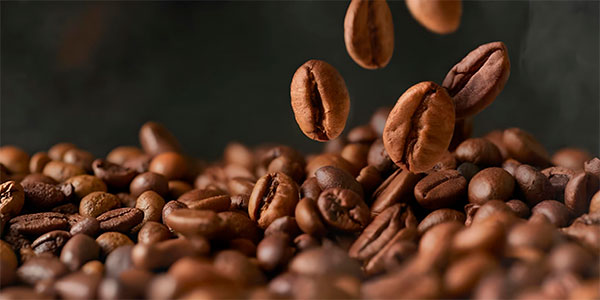
Bean Varieties and RegionsIt is the top-tier coffee bean. It has less caffeine than Robusta, but much more flavor, aroma, and personality. With fruity, floral, or chocolatey notes, it is the favorite of specialty coffees. Arabica coffee is recognized for its superior quality, its smoothness, and its aromatic profile.
Astringency
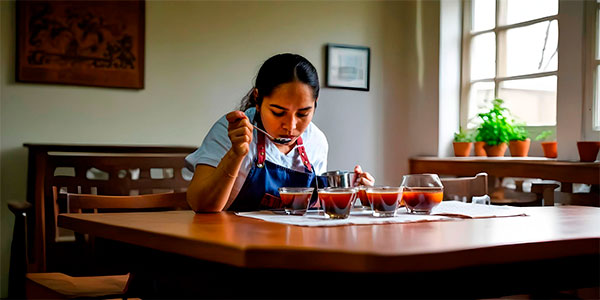
Flavors, Aromas, and CuppingSome coffees leave a dry or rough feeling in the mouth. That is astringency. Knowing how astringency is perceived in coffee helps you understand when it adds complexity… and when it gets in the way. It is most noticeable in over-extracted or poorly roasted coffees. Like spice: well measured, it contributes. Too much, it ruins.

Low Astringency
Flavors, Aromas, and CuppingWhen a coffee has low astringency, everything flows smoothly. Nothing scratches, nothing dries the mouth. It is as if every sip glided elegantly, leaving only flavor and enjoyment. If that dry or rough feeling has ever bothered you, this type of cup is the opposite: easy to drink and friendly to the palate. A coffee with low astringency is ideal for those who want smoothness without losing character.
Backflush
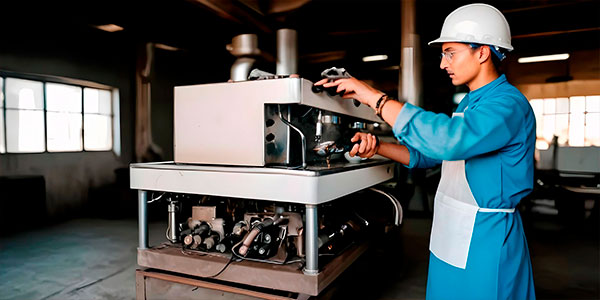
Barista Techniques and ToolsBackflushing an espresso machine is the deep cleaning every coffee machine needs. It is done with a blind filter and pressurized water to remove hidden residue that could affect flavor. It sounds technical, but it is key so your coffee doesn't taste off. If you make espresso often, your machine deserves its spa day too. Do it regularly, barista.
Balance
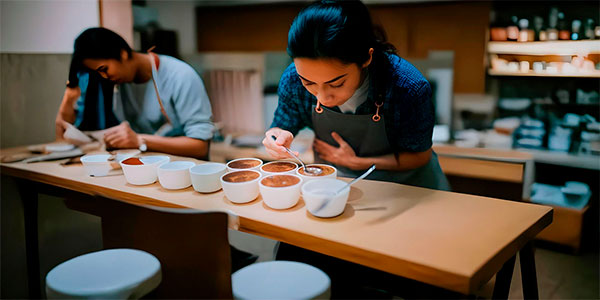
Flavors, Aromas, and CuppingWhen no flavor dominates and everything gets along: sweetness, acidity, body… the coffee is in harmony. If you are wondering what balance means in coffee, that is exactly it: a cup where everything flows without drama. Like a well-tuned band, every note is felt without overshadowing the others. A balanced cup = round pleasure.

Balance Siphon
Brewing MethodsThe Balance Siphon looks like it came out of a steampunk movie. It uses heat and vacuum to brew coffee in a wild but elegant system. It is pure show + science + spectacular coffee. To impress and enjoy like royalty. If you are looking for a unique experience, the Balance Siphon for vacuum siphon coffee brewing has it all.

Barista
Barista Techniques and ToolsWhat is a barista? It is the person who prepares coffee like a true artist: weighing, grinding, texturing, and serving each cup with technique and passion. They master espresso, latte art, and both classic and modern recipes. They don't just make coffee: they create moments. If the bar is a stage, the barista is the one who steals the show with every extraction. If you are looking for what a professional barista does in a coffee shop, here is the answer: they blend knowledge, precision, and heart into every cup.
Batian
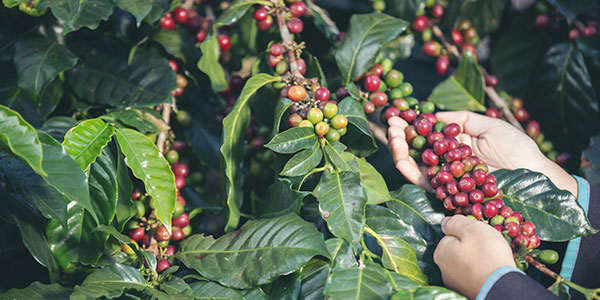
Bean Varieties and RegionsThe Batian represents a new generation in Kenyan coffee: a modern, resistant, and highly productive variety that doesn't lose the soul of good coffee. This plant was developed to face diseases like leaf rust while maintaining an exceptional flavor profile. In the cup, the Batian offers vibrant acidity, balanced body, and complex notes that evoke the best traditions of Kenyan coffee.
Blend
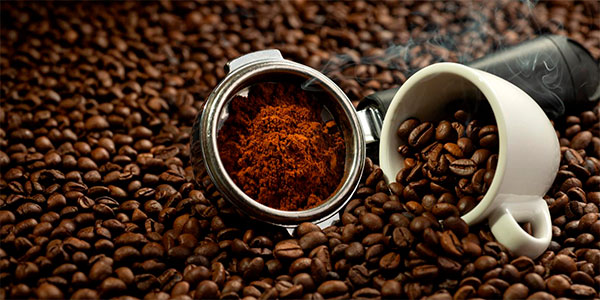
Bean Varieties and RegionsIt's like a playlist of your favorite beans. A blend is a mix of different coffees (from different regions, varieties, or processes) to achieve a unique profile. It can be balanced, intense, fruity… it depends on the mix. If you have ever wondered what a coffee blend is, that is exactly it: consistent flavor with lots of personality.
Blooming
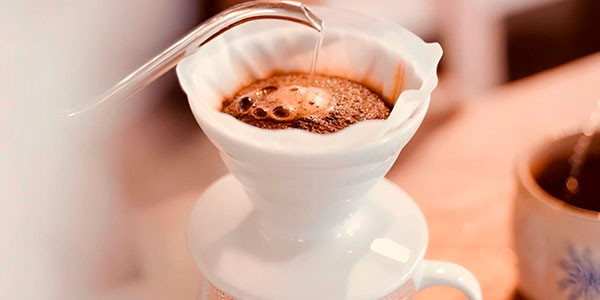
Barista Techniques and ToolsBlooming in filter coffee is the first step in brewing a good cup: a little water is poured over the ground coffee to release trapped gases. This improves extraction and brings out the flavors. It's like stretching before running: brief but essential for the bean to perform at its best and give you its finest version.
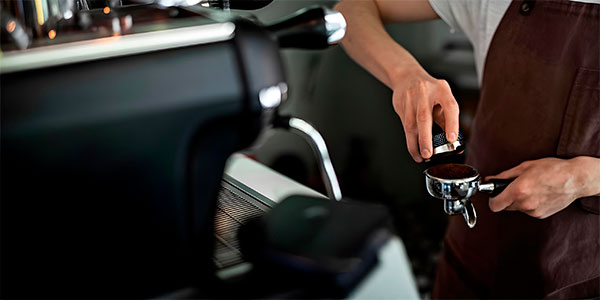
Bottomless Portafilter
Barista Techniques and ToolsThe bottomless portafilter, also called a naked portafilter, lets you see the espresso flow directly from the basket. It is perfect for spotting errors in real time and improving your technique. If the coffee falls centered with good crema, you are on the right track. If it spills over or drips unevenly, something needs adjusting. It is a key tool for perfecting espresso extraction.
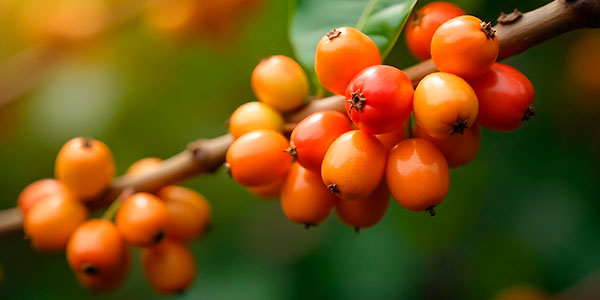
Bourbon
Bean Varieties and RegionsNo, it's not the whiskey (although it sounds just as fancy). It is an arabica coffee variety much loved for its natural sweetness and round body. Think of a smooth coffee with notes of chocolate or ripe fruit. Bourbon is an arabica variety with a sweet flavor and a classic profile that always delivers.
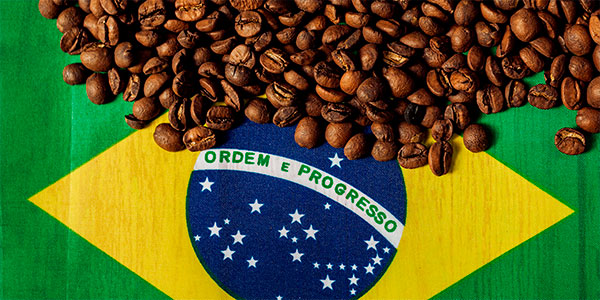
Brazil
Bean Varieties and RegionsOne of the giants of coffee in the world. If you see your coffee comes from Brazil, get ready for something smooth, with medium body and flavors ranging from nuts to chocolate. It is the base of many blends because of its friendly profile and steady production. Brazilian coffee is known for its smooth, balanced, and versatile profile.
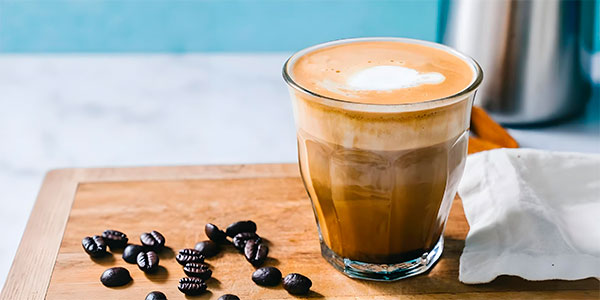
Breve
Coffee Types and DrinksA creamy version of the latte: espresso with half-and-half instead of milk. Thicker, more indulgent, more wow. If you like coffee with texture and a touch of natural sweetness, the Breve is like a latte in a winter coat. If you haven't tried it, learning how to make a creamy Breve coffee is a game changer.

Café Americano
Coffee Types and DrinksEspresso + hot water. As simple as that. It was born for those who wanted a long coffee without losing intensity. It has the punch of espresso, but lighter and easier to drink. If you're into the classics, learn how to make a smooth americano with character.
Arabic Coffee
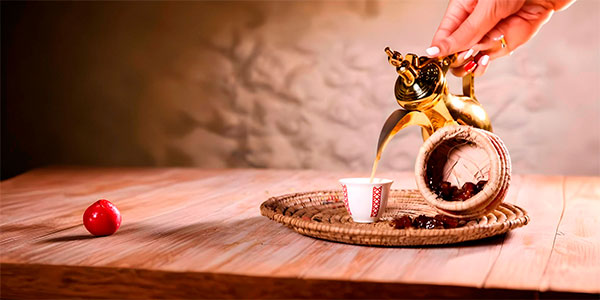
Coffee History and CultureArabic coffee is one of the oldest brewing methods. It is made slowly, in a pot called a dallah, with finely ground coffee, water, and sometimes spices such as cardamom. As part of the traditional Arabic coffee ritual, it is not filtered and is served strong, in small cups. It is hospitality, intense flavor, and an experience more than a drink.

Bicolor Coffee
Coffee Types and DrinksA visual show: milk and coffee in sharply defined layers. It can be made with cold milk, condensed milk, or plant-based drinks. The trick is in the density. Layered Bicolor Coffee with milk and espresso tastes great, but above all, it looks incredible in your stories!
Biodynamic Coffee
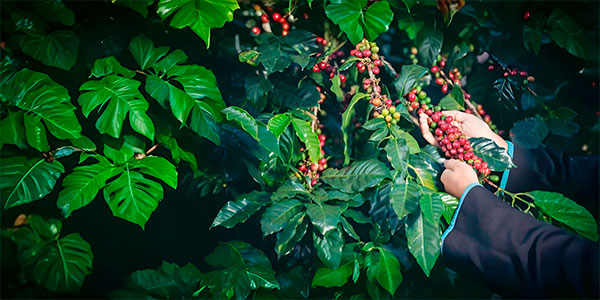
Exotic and Luxury CoffeesBiodynamic coffee is grown following agricultural principles that connect the earth, plants, and lunar cycles. It goes beyond organic: it seeks natural balance and harmony among all elements. What biodynamic coffee is and why it is special has to do with its holistic and almost mystical approach.

Café Bombón
Coffee Types and DrinksA sweet two-layer temptation: condensed milk at the bottom, espresso on top. It is mixed as you drink and wraps you in its sweetness. Typical in Spain, loved by those with a sweet tooth. If you want something small but intense, discover how to make café bombón with condensed milk Spanish style.

Coffee as Local Identity
Coffee History and CultureIn many places, coffee is not just produced: it is lived. Coffee as local identity is reflected in customs, economy, and regional pride. From Veracruz to Oaxaca, there are communities where coffee is part of the soul of the town. If you want to understand how coffee defines a region, just listen to its stories and taste its cup.

Coffee as Ritual
Coffee History and CultureCoffee as ritual is the habit of preparing and drinking coffee as part of a meaningful routine. Whether meditating with your cup, sharing a chat, or simply enjoying the moment, the act of ritualizing daily coffee turns an ordinary drink into a pause with intention. That makes it an experience.

Coffee with Liqueur
Exotic and Luxury CoffeesCoffee with liqueur is a drink that combines coffee with spirits such as whiskey, rum, or herbal liqueurs. It is served cold or hot and is popular after meals or in mixology. How to make a good coffee with liqueur at home depends on the balance between intensity, sweetness, and warmth.

Café Cortado
Coffee Types and DrinksIt is an espresso "cut" with a splash of hot milk. Less milk than a latte, more punch than a cappuccino. For those who love the strong flavor of coffee but with smoothness at the end. Cortado coffee offers that ideal balance between intensity and creaminess.
Civet Coffee
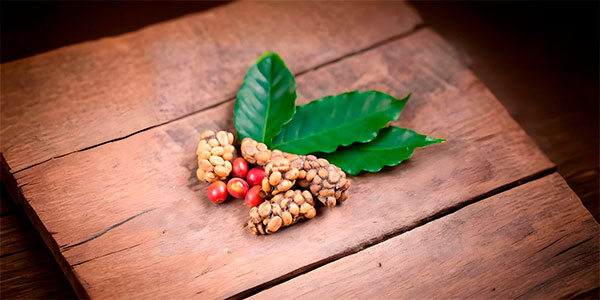
Exotic and Luxury CoffeesCivet coffee is produced from beans that have passed through the digestive system of a civet, an Asian mammal that selects the ripest cherries. They are then cleaned, roasted, and sold as a rarity. What civet coffee is and how it is obtained makes it one of the most curious in the coffee world.

Luxury Coffee
Exotic and Luxury CoffeesLuxury coffee is of the highest quality, scarce, fully traceable, and with an outstanding sensory profile. It comes from rare varieties, unique processes, or exclusive micro-lots. What makes a coffee considered luxury includes its origin, care, and experience in the cup.

Micro-Lot Coffee
Exotic and Luxury CoffeesMicro-lot coffee is grown in very small quantities, often on a single farm or specific plot. It has a unique sensory profile and is cared for in detail. Why micro-lot coffee is so valued has to do with its traceability, exclusivity, and expression of terroir.

Café de Olla
Brewing MethodsIt is the quintessential Mexican coffee: prepared in a clay pot with piloncillo, cinnamon, and sometimes cloves. It is boiled and served with love. It tastes of home, history, and after-dinner conversation. If you want coffee with soul and tradition, this is a pure liquid hug. And if you have ever wondered how to make traditional Mexican café de olla, this flavor-filled ritual will win you over.

Single-Origin Coffee
Coffee Industry and BusinessSingle-origin coffee is a way of marketing coffee by highlighting its specific provenance (farm, region, or country), which carries great value in the market. It is tied to marketing, traceability, and perceived value. Within the single-origin commercial model, what is sold is not just flavor, but story and authenticity. It is a concept of both quality and business.

Coffee in Art
Coffee History and CultureCoffee in art has been an inspiration in all its forms: from still lifes and paintings to contemporary installations. Sometimes it appears as a drink, other times as a symbol or even as a pigment. If you are interested in how coffee is represented in art, you will see that it is not just a drink: it is emotion turned into image.

Coffee in Cinema
Coffee History and CultureCoffee in cinema is more than a prop: it appears in scenes of reflection, romance, or tension. Its presence represents company, routine, or key moments. In many films, the use of coffee in movie scenes is almost symbolic, as if the cup were speaking. If there is coffee on screen, something important is about to happen.

Coffee in Painting
Coffee History and CultureCoffee in painting has been a muse for artists throughout history. From classic still lifes to scenes of Parisian cafés, coffee depicted in works of art captures everyday life, the intimacy of a pause, or the warmth of a simple moment. It is everyday art in its warmest form.
Coffee in the Industrial Revolution
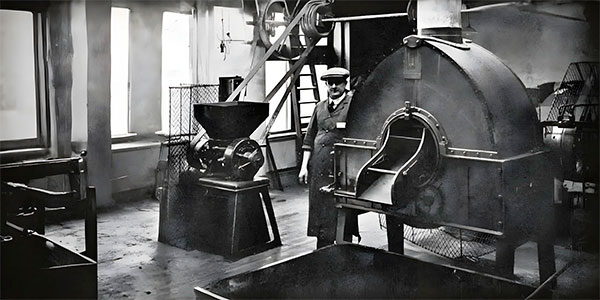
Coffee History and CultureCoffee in the Industrial Revolution was more than a drink: it became the silent engine of factories and offices. It replaced alcohol as a daily beverage, increased productivity, and transformed social habits. The role of coffee in the Industrial Revolution was key: coffee + machine = the modern world in motion.
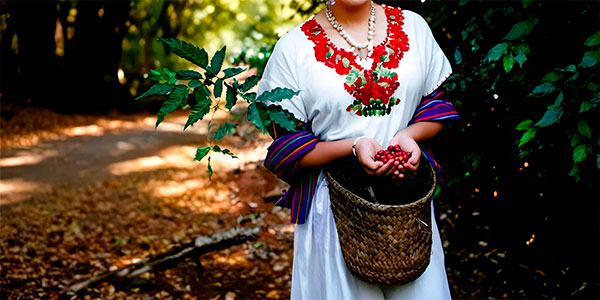
Coffee in Mexico
Coffee History and CultureCoffee in Mexico is living history. Cultivated since the eighteenth century, it is part of the country's agricultural and cultural soul. Chiapas, Veracruz, and Oaxaca lead in production, but also in tradition. The origin and culture of coffee in Mexico is felt in the after-dinner chat, the street, and the home. Coffee with roots and pride.
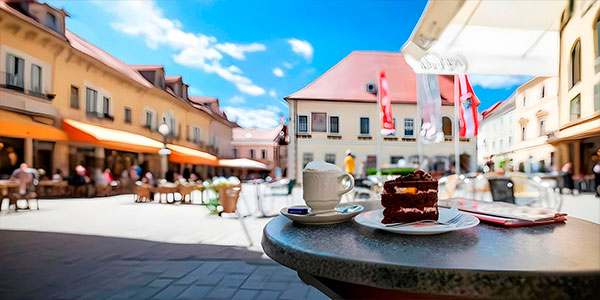
Coffee in Vienna
Coffee History and CultureCoffee in Vienna is much more than a drink: it is a cultural symbol. Viennese coffeehouses have been places to read, write, debate, or simply be. The cultural role of coffee in Vienna is so important that it is part of UNESCO's heritage. Here, coffee is lived slowly, as art and conversation.
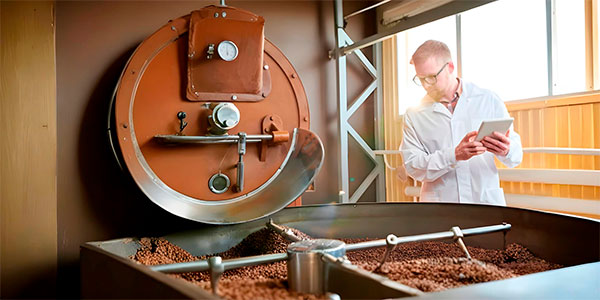
Experimental Coffee
Exotic and Luxury CoffeesExperimental specialty coffee is processed with unconventional methods such as long fermentations, anaerobic fermentation, or yeast infusions. These processes seek to create unique and disruptive profiles. Ideal for coffee adventurers. Here anything can happen. Flavor without rules.

Filter Coffee
Brewing MethodsIt is a drip coffee method, where hot water passes slowly through ground coffee and a filter. It can be manual or automatic. The result: a clean, smooth, and balanced coffee. It's the favorite of those who want something delicious without complications. And if you are looking for the best method to make filter coffee at home, this style will give you a cup that tastes like a pause and good vibes.

Instant Coffee
Brewing MethodsIt is soluble coffee that only needs hot water to prepare. It is practical, quick, and long-lasting. Ideal for trips, offices, or emergencies. It's not the most gourmet, but it saves the day. It's like the ramen of coffee: it won't be specialty, but when the time comes, it does its job. And if you are wondering which is the tastiest instant coffee to get out of a jam with dignity, Cafiver has options that will surprise you.

Institutional Coffee
Coffee Industry and BusinessInstitutional coffee is the silent engine of offices, hotels, hospitals, and schools. Designed to be practical, consistent, and cost-effective, it adapts to environments where efficiency matters. Whether in capsules, sachets, or large-format bags, institutional coffee for companies and services guarantees volume, control, and reliable flavor. It isn't the most gourmet, but it delivers what it promises: sustaining the daily routine of thousands, with every cup. Always ready, always present.

Café Lungo
Coffee Types and DrinksIt means "long" in Italian. It is an espresso where more water is allowed to pass during extraction. The result: more quantity, less intensity. It has less body than espresso, but more caffeine. Café lungo is ideal for those who want a mild espresso without losing the character of the shot.

Organic Coffee
Exotic and Luxury CoffeesCertified organic coffee is grown without synthetic chemicals or pesticides. It respects the environment, protects biodiversity, and is certified through strict processes. Ideal for those who want a clean, natural coffee with a positive impact. Green inside and out.

Quick Coffee
Coffee Types and DrinksLiterally what it sounds like: quick coffee, instant coffee prepared on the fly. It won't win flavor awards, but it saves rushed mornings. An express solution when there's no time but the body is asking for caffeine. Quick instant coffee for office or home is practical, direct, and drama-free.

Café Romano
Coffee Types and DrinksCafé Romano: espresso with a slice of lemon. It sounds odd, but the acidity of the citrus brings out the flavors of the coffee. Refreshing and vibrant. Café Romano with fresh lemon is like the espresso put on sunglasses and went on vacation to Italy.

Cold-Roasted Coffee
Coffee Types and DrinksIt is coffee roasted with cold air instead of heat. Result: beans with more pronounced acidity, natural sweetness, and clean flavors. Cold air-roasted coffee is a little gem for those looking for something different. High-tech but with soul.
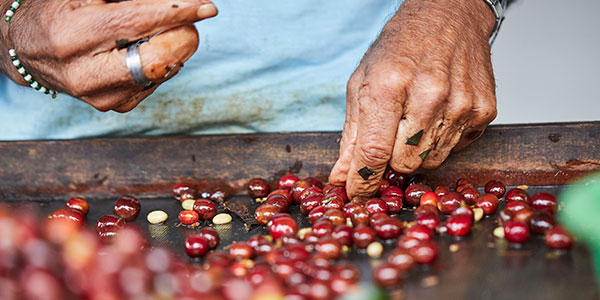
Café Touba
Coffee Types and DrinksOriginally from Senegal, Café Touba is coffee with spices (such as Guinea pepper) that wakes up even the soul. Spicy, aromatic, and full of history. In the world of African coffee, Café Touba with Guinea pepper is like the reggaeton of coffee: intense, rhythmic, and hard to forget.

Turkish Coffee and Marriage
Coffee History and CultureTurkish coffee and marriage are part of a tradition in Turkey: when a man proposes, the bride-to-be prepares coffee. Within the Turkish coffee ritual at marriage proposals, she sometimes serves it with salt instead of sugar as a test of patience. More than a drink, it is a test for love. If you drink it without complaining, you're doing fine.

Coffee and Love
Coffee History and CultureCoffee and love are the perfect excuse for a date. It has brought millions together at small tables and endless conversations. A good coffee breaks the ice, sparks conversation, and leaves its aroma in memory. Coffee as a symbol of romantic connection shows that love can start with a "shall we grab a coffee?"

Coffee and Philosophy
Coffee History and CultureCoffee and philosophy is the fuel of restless minds. From Parisian cafés to university tables, coffee has accompanied existential debates. The role of coffee in philosophical spaces is clear: it is the drink of those who think a lot, speak intensely, and seek meaning. Philosophizing without coffee… doesn't feel the same.

Coffee and Literature
Coffee History and CultureCoffee and literature have been writers' companions forever. It creates the perfect atmosphere to read, write, or imagine worlds. Many books were born between sips and stained cups. Coffee as a source of literary inspiration shows that coffee and literature go together like letters and ink. It inspires, awakens, and keeps company.
Coffee and Paris
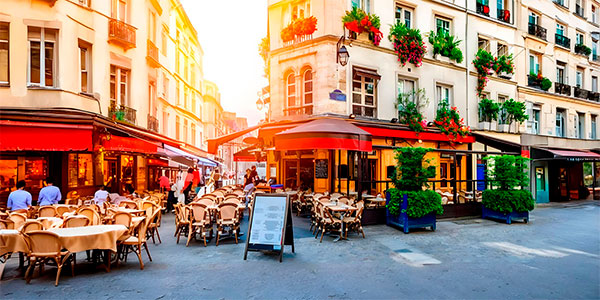
Coffee History and CultureCoffee and Paris is a story of artists, bohemians, and intellectual revolutions. Parisian cafés were the cradle of ideas, art, and great conversations. Sartre, Simone de Beauvoir, and more thought with a cup in hand. In the city's cultural history, coffee has always been part of the landscape: coffee as a cultural symbol of Paris is as iconic as its streets. Paris without coffee… is not Paris.
Coffee and Revolution
Coffee History and CultureCoffee and revolution is the spark of change. Political, philosophical, and cultural movements were born in coffeehouses. From Enlightenment thinkers in Europe to activists in the Americas. Coffee doesn't just wake up bodies, it wakes up ideas. Its presence in those key moments has been constant: coffee as an engine of social transformation has left its mark on more than one revolution.

Café Zorro
Coffee Types and DrinksA double espresso with a little hot water, but with more attitude than an Americano: strong, direct, and no-nonsense. Ideal for those who want pure energy without losing the intense flavor of espresso. The double-espresso-style Café Zorro is for those who don't beat around the bush.

Distribution Channels
Coffee Industry and BusinessCoffee distribution channels are the key routes by which the bean travels from its origin to your cup. Whether it reaches stores, coffee shops, supermarkets, or distributors, understanding this path is essential for the product to keep its quality and arrive on time. They are like the veins of the coffee business: well managed, they ensure efficiency, freshness, and market presence. If you work with coffee, you need to know your channel.

Channeling
Barista Techniques and ToolsChanneling in espresso is a common error that occurs when water passes through only a part of the poorly distributed or poorly tamped coffee, leaving areas unextracted. Result: a weak, bitter, or watery espresso. Channeling is like watering only half a plant: it shows and it doesn't work. The flow must be even for it to shine.

Cappuccino
Coffee Types and DrinksThree layers, one vibe: intense espresso, hot milk, and creamy foam. It's the coffee that feels like a hug in a cup. Ideal for the morning, a chat, or an elegant craving. Creamy, balanced, and delicious. A creamy, balanced cappuccino is pure harmony between flavor and texture.
Carajillo
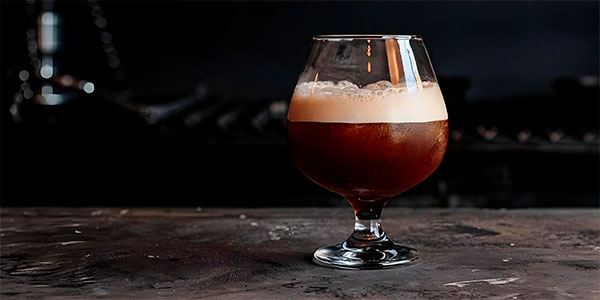
Coffee Types and DrinksCoffee with attitude. It is an espresso mixed with liqueur (such as brandy or Licor 43). A classic drink in Mexico and Spain. Ideal for ending meals, long chats, or getting into a relaxed mood. It has punch, sweetness, and that "I don't know what" that delights. The carajillo is the perfect blend of coffee and liqueur with style.
Carbonic Maceration
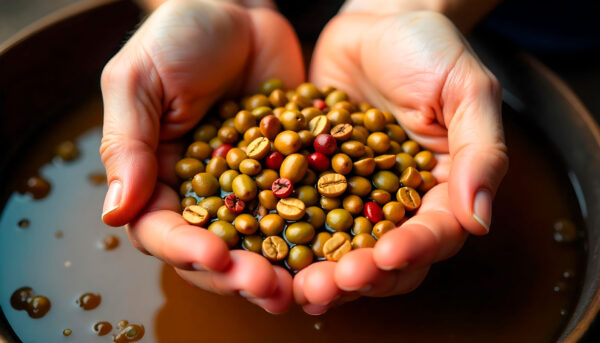
Exotic and Luxury CoffeesCarbonic maceration is a fermentation method inspired by wine, where beans are fermented with carbon dioxide. The result: clean, intense flavors with a cocktail-like profile. It is science and art in a cup. If you are interested in how carbonic fermentation is done in coffee, get ready for a next-level experience.

Roastery
Coffee History and CultureA coffee roastery is much more than a place where beans are roasted. It is the heart of specialty coffee: that's where profiles are tested, adjustments are made, and the perfect point between flavor, technique, and passion is sought. If you have wondered what a roastery is and why it is so important, just walk into one and let the aroma carry you.

Cupping
Flavors, Aromas, and CuppingCupping coffee —or cupping, as it's called in the pro world— is preparing several identical samples to compare aromas, flavors, and texture. What is a coffee cupping? Something like the Tinder of coffee: you taste, analyze, and find your ideal match. You smell, taste, and sometimes spit (but with style).
Catuai
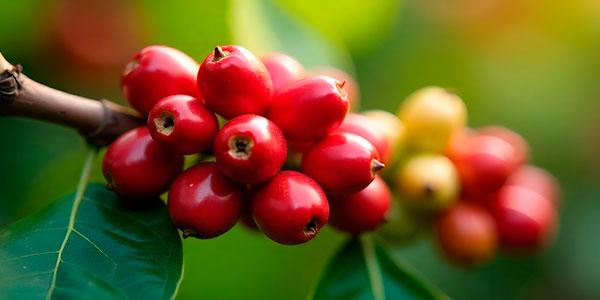
Bean Varieties and RegionsAn arabica coffee variety created in Brazil by crossing Mundo Novo and Caturra. It is resistant and widely grown in Latin America. It produces smooth cups with medium body and sweet notes. Ideal for espresso. Catuai is a resistant and balanced coffee variety, very popular in Latin America.
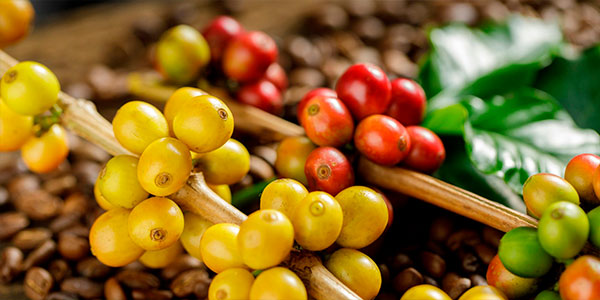
Red and Yellow Catuai
Bean Varieties and RegionsThey are like twins with different looks. The red one is usually more classic, while the yellow one may have more citrusy or bright notes. Both come from the same family (Catuai), but the color of the fruit gives its special touch to the final flavor. Red and yellow Catuai are two arabica coffee variants that let you play with subtle nuances in the cup.

Ethiopian Coffee Ceremony
Coffee History and CultureThe Ethiopian coffee ceremony is a tradition that goes beyond drinking: it is a social, spiritual, and cultural act. The beans are roasted on the spot, ground, and served in three rounds. Everything is part of a ritual full of meaning. Serving coffee in Ethiopia is a way of honoring guests. A cup with soul.

Export Certifications
Coffee Industry and BusinessCoffee export certifications are the seals that guarantee a bean meets the standards required to leave its country and be sold internationally. These certifications —such as organic, fair trade, or designation of origin— validate its quality, traceability, and commitment to origin. To export successfully, it is key to ensure the coffee delivers what it promises… and to be able to prove it.

Chemex
Brewing MethodsIt is a glass coffee maker with a laboratory design and a designer's soul. It uses thick filters that result in a clean, bright, and elegant coffee. Ideal for coffees with floral or fruity notes. If you want to learn how to brew coffee in a Chemex to highlight the flavors of specialty beans, this method is perfect for showing off with a cup as beautiful as it is delicious.

Chiapas
Bean Varieties and RegionsA mountainous state in southern Mexico where high-altitude arabica coffee is grown. Its cool climate and volcanic soils create beans with sweet notes, medium body, and soft acidity. It's coffee with a forest soul. Chiapas Mexico coffee beans stand out for their volcanic origin and smooth profile with lots of identity.
Chiroso
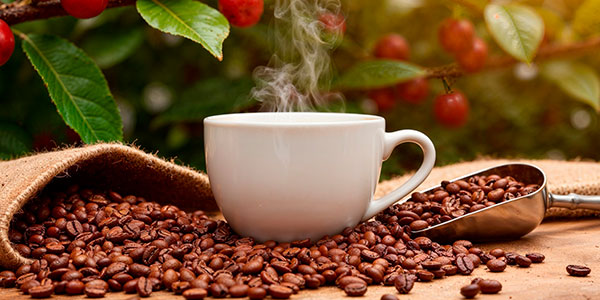
Exotic and Luxury CoffeesChiroso is a Colombian variety that, although it sounds like reggaeton, tastes of flowers, tropical fruits, and soft spices. Its elegant and distinctive profile is gaining fame in coffee competitions. It's the coffee with flow you didn't know you needed. If you want to try a floral and tropical coffee variety, Chiroso will surprise you.
Cleaning Brush
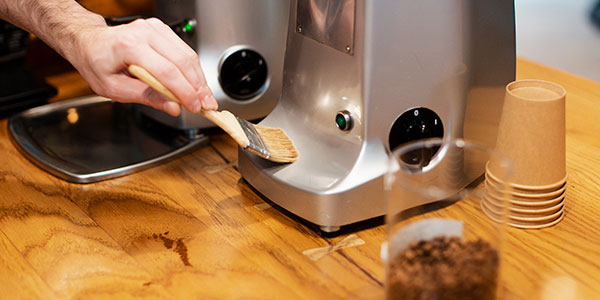
Barista Techniques and ToolsThe espresso machine cleaning brush is a tool designed to clean the group head and other critical areas. It is used daily to remove coffee residue and keep the equipment in good condition. It is key to extending the life of your espresso machine and preserving flavor.
Clever Dripper
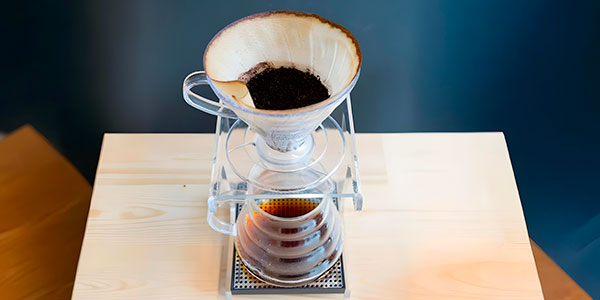
Brewing MethodsThe Clever Dripper is the perfect mix between a French press and a V60. It lets you control the steeping time, but with a paper filter. Easy to use, zero drama, and with clean, tasty results. Among the easy methods, the Clever Dripper for filter coffee at home is like having coffee superpowers.

Coffee Branding
Coffee Industry and BusinessCoffee branding is the process of building the visual, verbal, and emotional identity of a coffee brand. It includes the logo, packaging, tone of voice, and the entire experience around the product. In the world of branding for coffee brands, what sets one apart is not just flavor but also style. It's what makes a bag stand out on the shelf. Flavor + style = real connection.

Coffee Break
Coffee History and CultureA coffee break is the sacred pause of work. A short breather to clear your mind, socialize, or simply recharge. It's not just coffee, it's room to breathe. In many offices, without a coffee break there is no productivity. In the modern work routine, this pause has become a true ritual: the office coffee break is now an essential part of the day. Key minutes with a taste of escape.

Coffee Diplomacy
Coffee History and CultureCoffee diplomacy sounds fancy, but it's real: coffee can be a tool to connect people, cultures, and even countries. Many important meetings and agreements have started with a cup in hand. The use of coffee in international relations reflects its symbolic power as a vehicle for dialogue, hospitality, and understanding between cultures.

Coffee Houses
Coffee History and CultureCoffee houses are the ancestors of modern cafés. They were born in the Middle East and Europe as places to debate, read, and socialize. They were like the social networks of the seventeenth century. In those first houses, coffee became a catalyst for ideas. Coffee houses in the history of coffee were spaces where ideas were brewed. Liquid culture served in a cup.
Coffee Service
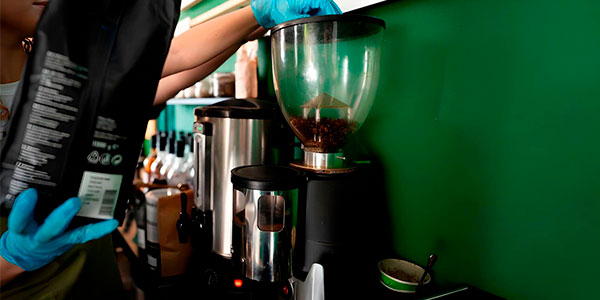
Coffee Industry and BusinessCoffee vending is the sale of coffee through vending machines. You find them in offices, stations, or universities. Quick, practical, and automatic. They're not always baristas, but they get you out of a jam. In today's world, vending machine coffee service is an efficient solution available 24/7. It's express coffee… in every sense.

Cold Brew
Brewing MethodsIt is coffee brewed cold, leaving ground coffee in water for several hours (between 12 and 24). The result is a smooth, sweet drink with low acidity. Ideal for hot weather or for those who don't want bitterness. Serve it with ice, milk, or on its own. All cool. If you've ever wondered how to make cold brew at home with specialty coffee, this method is your direct pass to a cold, delicious coffee with no complications.
Cold Drip
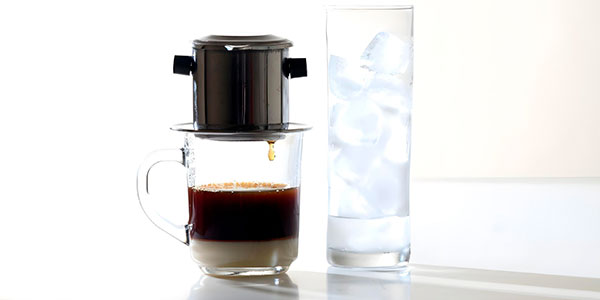
Brewing MethodsCold Drip is the art of making coffee drop by drop, with cold water and plenty of patience. Over 6 to 12 hours, the coffee is slowly extracted, resulting in a smooth, sweet, and refreshing drink. This method, ideal for hot days, highlights fruity and floral nuances that are sometimes lost in faster methods. If you're interested in making cold drip coffee, you'll discover a unique experience that turns every sip into pure freshness.

Colombia
Bean Varieties and RegionsOne of the top countries in coffee. It produces smooth, balanced arabicas full of flavor. Notes of caramel, red fruits, and flowers. Ideal for those just starting out or looking for something reliable. Colombian coffee is recognized worldwide for its quality and smooth profile with fruity touches.
International Coffee Trade
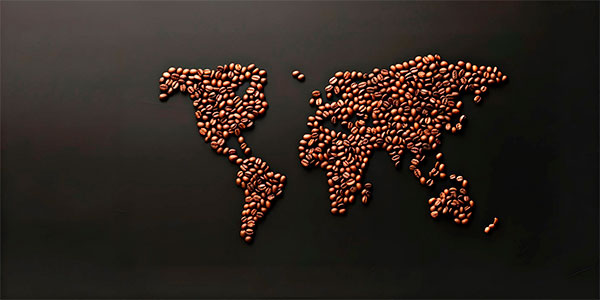
Coffee Industry and BusinessInternational coffee trade is the global network that moves the bean between countries. Producers, buyers, traders, and roasters are part of this chain. It defines prices, contracts, and quality. Thanks to the global coffee market, a bean grown in Chiapas can end up in a cup in Berlin or Tokyo. It is the system that connects origins with destinations.

Complexity
Flavors, Aromas, and CuppingComplexity in coffee is when every sip has layers of flavor: flowers, fruits, sweetness, acidity, all mixed without getting lost. It's like a good series with many seasons: in each episode (or sip), you discover something new. A complex coffee makes you come back, think, and enjoy slowly.

Sensory Complexity
Flavors, Aromas, and CuppingSensory complexity in coffee shows when every sip offers a new surprise: first a fruity note, then something floral, later a touch of sweet or spice. It's like a good album that reveals different details with each listen. A coffee with several layers of flavor invites you to explore, discover, and enjoy slowly, turning every cup into a rich and changing experience.

Córdoba, Veracruz
Coffee History and CultureCórdoba, Veracruz is considered the cradle of coffee in Mexico, where the first coffee plants were sown in the eighteenth century and has been key to the bean's production, history, and export ever since. With an ideal climate and coffee tradition, it remains alive today in museums, farms, and tourist routes. If you are looking for historic coffee sites in Mexico, Córdoba is a must.

Body
Flavors, Aromas, and CuppingHave you wondered what the body of coffee is? It's not about flavor, but the texture you feel in your mouth. It can be light like tea or dense like hot chocolate. If you notice it full and creamy, it has good body. If it's more fluid and soft, it's light. Your tongue tells you everything.

Cup Profile Sheet
Coffee Industry and BusinessThe cup profile sheet is like a sensory technical data sheet for coffee. It is used during cupping to note aroma, flavor, acidity, body, aftertaste, and more. It allows you to communicate how a cup tastes without needing to taste it. If you want to know how to read a coffee cupping profile sheet, this tool is essential for choosing with judgment and understanding quality like a professional.

Cupping Lab
Coffee Industry and BusinessThe cupping lab is the laboratory where coffee is professionally evaluated. Here samples are cupped to review quality, defects, and sensory attributes. You smell, taste, spit (yes, spit), and make important decisions. If you have ever wondered what happens in a coffee cupping lab, it is the place where every cup is analyzed under a magnifying glass.
Dalgona Coffee
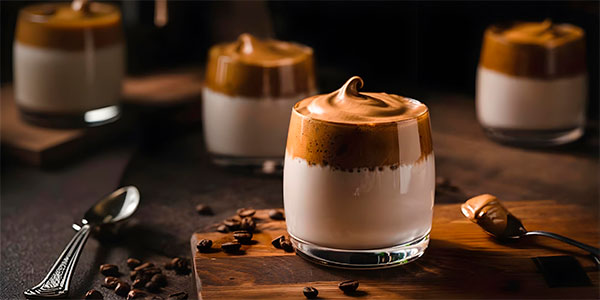
Coffee Types and DrinksThe viral coffee of social media. It is made by whipping instant coffee with sugar and water until foamy. It is served over cold or hot milk. Creamy, Instagrammable, and easy to make at home. Creamy and easy dalgona coffee became the quarantine star for a good reason: it looks good and tastes even better.

Dialing in
Barista Techniques and Tools"Dialing in" in specialty coffee is the process of adjusting grind, dose, time, and ratio until the espresso tastes perfect. Each bean needs its ideal point. It's like tuning an instrument before the concert. If you want to get the best out of coffee, you have to "dial in" calmly and precisely. Science and art in one.
Dirty Coffee
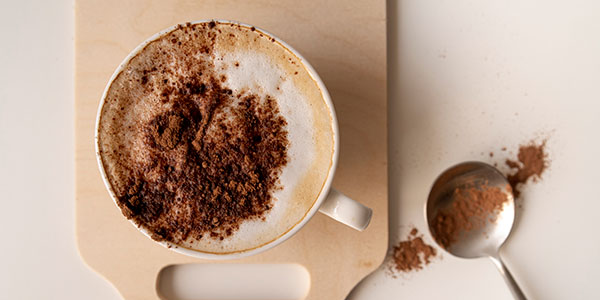
Coffee Types and DrinksCold, creamy milk with a hot espresso that gets "dirty" as it falls. Visually it's a work of art, and the flavor blends the best of two worlds. Dirty coffee with cold milk and espresso is like a coffee that looks like a viral TikTok: aesthetic + tasty.
Double Fermentation
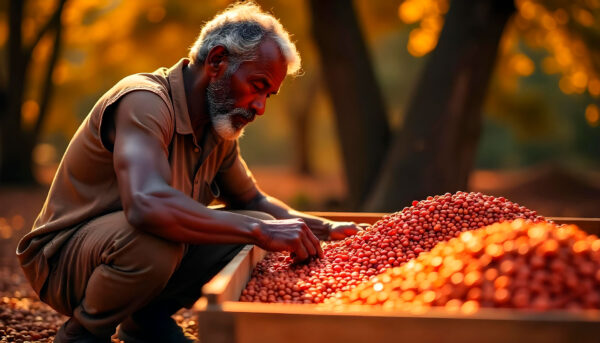
Exotic and Luxury CoffeesIn the double fermentation method, coffee is fermented twice before drying. This two-stage process results in more complex flavors and layers that evolve with each sip. It's like a movie with an unexpected twist at the end. Ideal if you like double-fermentation coffee with an evolved flavor.
Drip Coffee
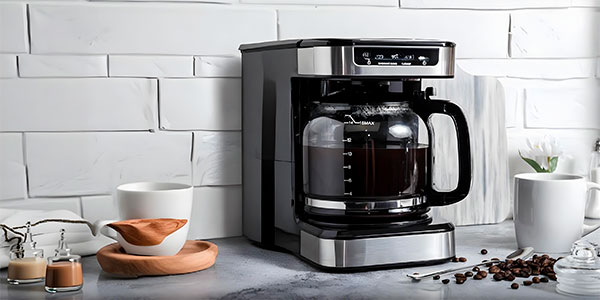
Brewing MethodsIt's the typical home or office coffee: hot water drips onto ground coffee in a filter. Easy, uncomplicated, and reliable. The flavor is smooth and consistent. It's not fancy, but it never fails. If you have an electric coffee maker and want to get the most out of it, learning how to make a well-balanced drip coffee at home is the first step.

Natural Sweetness
Flavors, Aromas, and CuppingNatural sweetness in coffee doesn't come from added sugar, but from a well-ripened and roasted bean. It can remind you of honey, fruit, or caramel. When it's well present, it makes the cup feel friendly, round, and complete. And yes: you don't need to add anything else.

Precision Scale
Barista Techniques and ToolsA precision coffee scale is a digital scale that measures the weight of coffee and water with great accuracy. It is essential for consistency and control in every recipe. If coffee is chemistry, the scale is your laboratory. Brewing without a scale is like cooking without measuring spoons: everything can go wrong.
Espresso
Brewing MethodsCoffee extracted under high pressure in 25-30 seconds. Intense, short, and with crema on the surface. The base of many drinks such as latte, cappuccino, or macchiato. Espresso is the soul of the coffee shop. Small, but powerful. If you are looking for how to make a perfect espresso at home, here begins your barista journey.

Double Espresso (Doppio)
Brewing MethodsIt's like saying: "One is not enough." Doppio is a double shot of espresso, the favorite of those who need power and flavor without beating around the bush. It's served in a single cup, has twice the coffee and twice the punch. If you've never tried it, here's the fact: making a doppio espresso at home is easier than you think… and worth every sip.
Espresso Funnel
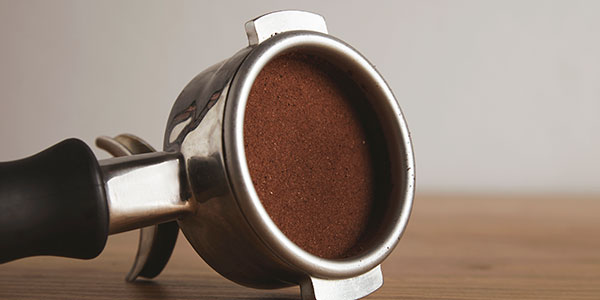
Barista Techniques and ToolsThe espresso funnel is a funnel placed over the portafilter when dosing ground coffee. It prevents spills, keeps the station clean, and improves precision. It is especially useful for those who want to keep everything tidy while preparing their espresso, ideal if you want to avoid wasting coffee when filling the portafilter.
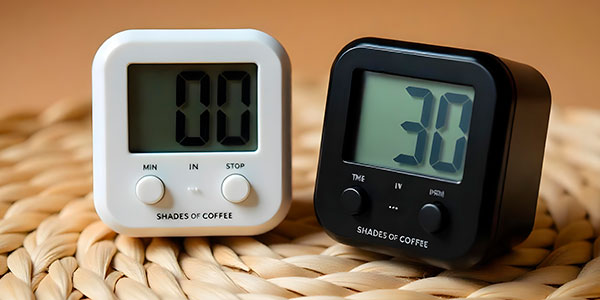
Espresso Timer
Barista Techniques and ToolsThe espresso timer is a stopwatch designed to accompany you from the first second of extraction. Measuring how long your espresso takes to come out (ideally between 25 and 30 seconds) is key to adjusting grind, dose, and pressure. If you have ever wondered how to control espresso extraction time to get a balanced and repeatable cup, this tool is your best ally.

Espresso Tonic
Coffee Types and DrinksA modern and refreshing mix: espresso over tonic water and ice. Citrusy, bitter, and bubbly. Ideal for hot days or when you want to surprise with something different. Espresso tonic is a cold coffee with bubbles and attitude, perfect for breaking routines and refreshing yourself in style.
Ethiopia
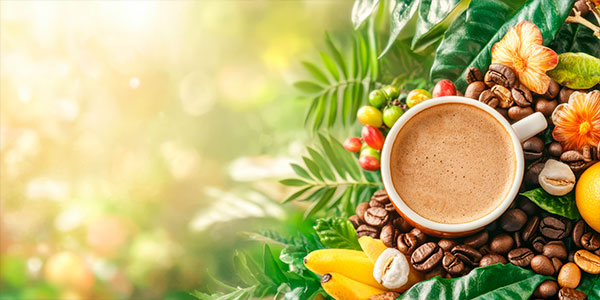
Bean Varieties and RegionsThe cradle of coffee. The arabica species was born here and unique varieties are grown. Floral, fruity notes and intense aromas. Jasmine, mango, or blueberry, anything can happen. Every cup is a story. Ethiopian arabica coffee beans are synonymous with ancestral origin and sensory complexity.

Coffee Export
Coffee Industry and BusinessCoffee export is the process of sending beans from a producing country to a consuming one. It includes harvest, processing, packaging, paperwork, and transport. For many countries, it represents a key source of income. In the logistics process of coffee export, every stage counts. It's like the hero's journey… but roasted bean version.

Flat Mocha
Coffee Types and DrinksA minimalist version of the mocha: espresso, steamed milk, and a touch of chocolate, but without so much foam. More direct, smoother. If you like a chocolatey flavor without feeling like you're in a pastry shop, the flat mocha is that ideal middle ground between coffee and chocolate.

Flat White
Coffee Types and DrinksIt's like a more intense cappuccino or a smaller latte. Double espresso + steamed milk with a little foam. Smooth in texture, powerful in flavor. It comes from Australia and is already a global favorite. The flat white has the perfect ratio for those seeking a balance between intensity and smoothness, without frills.

Fragrance
Flavors, Aromas, and CuppingThe fragrance of ground coffee is that first aroma that appears before adding water. Floral, fruity, nutty, chocolatey… it already tells you what to expect. It's like opening a perfumed envelope: it makes you fall in love before the coffee touches your mouth. First contact with what's coming.

French Press
Brewing MethodsThe French Press is the cool coffee maker we should all have. You add coarsely ground coffee and hot water, wait 4 minutes, and press the plunger. No filters, no drama. It yields a coffee with lots of body, intense aroma, and a classic vibe. And if you're wondering how to use a French Press correctly to get that deep flavor, the key is in the time and the grind.
Full Container Load (FCL)
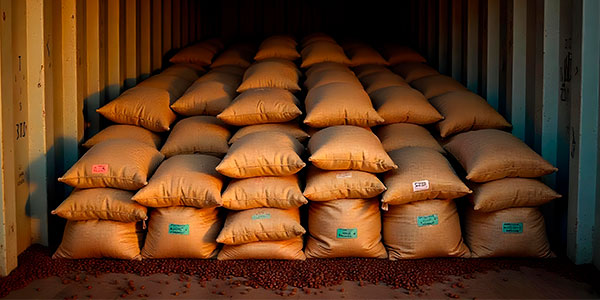
Coffee Industry and BusinessFull Container Load (FCL) means a whole container is filled with coffee from a single producer or exporter. It is more economical per kilo and very efficient for large volumes. Ideal for formal exports. If you want to understand how FCL works in coffee trade, think of ordering the whole sack, not just the little bag.
Gayo Arabica
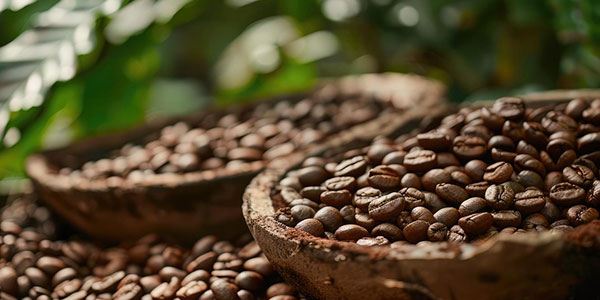
Bean Varieties and RegionsArabica bean grown in Gayo, in northern Sumatra. Coffee with medium to high body and intense notes: cocoa, spices, wet earth. It has a deep, exotic soul. Sumatra's Gayo Arabica coffee is ideal for those seeking a dark, complex profile full of character.
Geisha
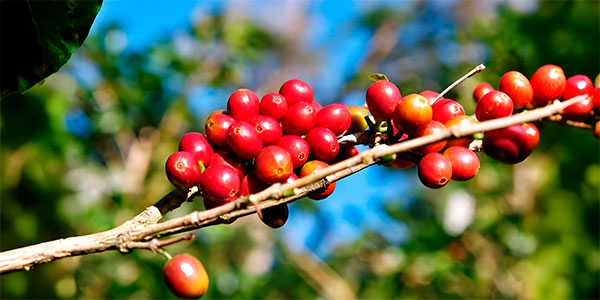
Bean Varieties and RegionsA premium arabica variety. Born in Ethiopia and shone in Panama. Famous for its floral, fruity, delicate, and super complex profile. Highly valued (and expensive). It's the signature wine of coffee. Specialty Geisha arabica coffee is ideal for curious palates seeking a unique experience in the cup.

Grinder
Barista Techniques and ToolsThe grinder for specialty coffee is the mill that turns whole beans into ground coffee. It can be manual or electric, but what matters is that it grinds evenly. Grinding is everything: if it's off, it ruins flavor and extraction. A good grinder is worth more than a fancy coffee maker. This is where the magic begins.
Grouphead
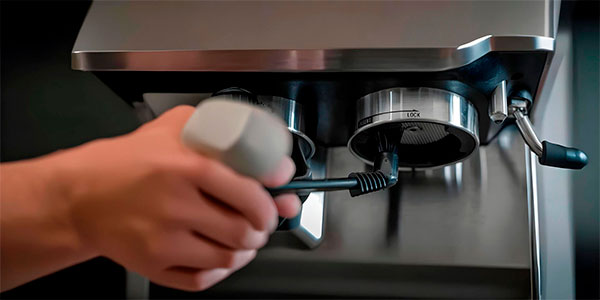
Barista Techniques and ToolsThe grouphead on an espresso machine is the part where the portafilter connects. Pressurized water passes through it and extraction begins. It must be clean and hot for the coffee to come out right. It's like the door to flavor: if it fails, the espresso doesn't flow. The heart of the machine.

H1 (Centroamericano)
Bean Varieties and RegionsThe H1 (Centroamericano) is a coffee hybrid developed to deliver high resistance and excellent yield, especially in the mountainous regions of Central America. This variety adapts easily to demanding climates, thriving in mid-altitude zones where other plants might falter. On farms in El Salvador, Nicaragua, and beyond, the H1 has earned its place as a reliable ally against climate challenges.
Anaerobic Honey
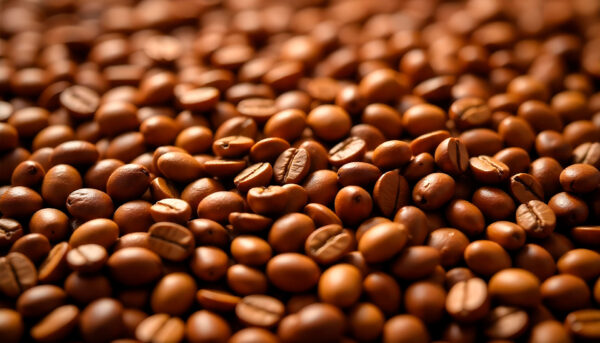
Exotic and Luxury CoffeesAnaerobic honey is a type of process that mixes the best of two worlds: the honey method (part of the mucilage is left on) and oxygen-free fermentation. The result? Sweet, creamy coffee with fruity notes and a touch of "funk." If you ever searched for what anaerobic honey is in coffee, here it is: intense flavor and enveloping texture.
Huehuetenango
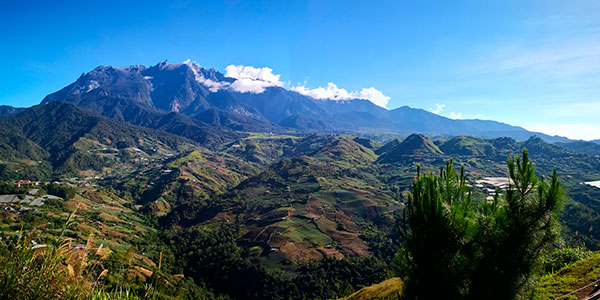
Bean Varieties and RegionsA mountainous region of Guatemala. Arabica coffees with bright acidity, medium body, and notes ranging from tropical fruit to chocolate. Altitude, microclimates, and tradition work magic. Huehuetenango Guatemala coffee is recognized for its vibrant balance and flavor with personality.
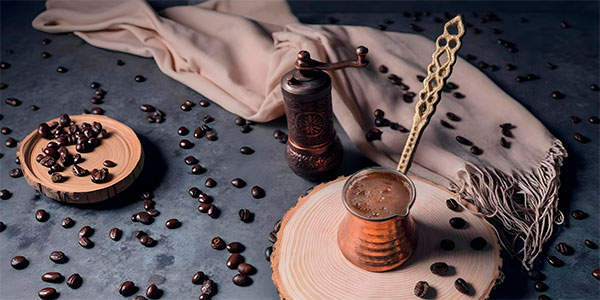
Ibrik/Cezve
Brewing MethodsIt is an ancestral brewing method where super-fine coffee is boiled with water and sugar in a cezve (a small long-handled pot). It is not filtered; it is served with foam and sediment. The result: an intense, thick coffee full of tradition. If this ritual intrigues you, learning how to make coffee in a cezve step by step connects you directly with centuries of history.

IHCAFE 90
Bean Varieties and RegionsIHCAFE 90 is a Honduran variety that yields well and withstands just about everything. The cup? Sometimes simple, but it delivers. It's the old reliable for producers seeking quantity with good endurance. In the field, the high-yield IHCAFE 90 variety doesn't show off, but it gets the job done.
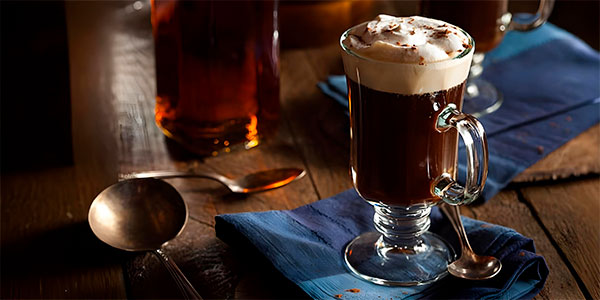
Irish Coffee
Coffee Types and DrinksHot coffee with whiskey, sugar, and whipped cream on top. It tastes like a party with elegance. It was born to warm bodies and spirits on Irish flights. It's dessert, drink, and experience in one. Irish coffee with whiskey and cream is sweet, strong, and has that touch that lifts the mood in style.

Java
Bean Varieties and RegionsAn island in Indonesia with a coffee history since the seventeenth century. It produces arabicas with medium body, low acidity, and spicy notes. Java is the wise grandfather of coffee: classic, intense, and full of vibe. Java Indonesia coffee combines elegance, depth, and a unique spicy profile.
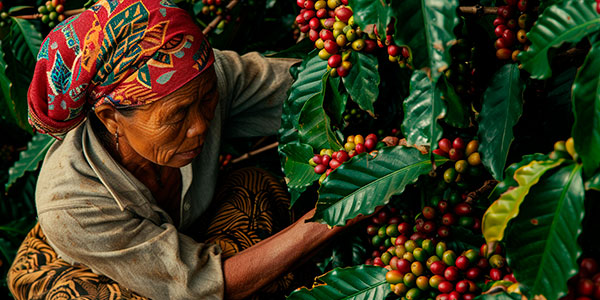
Java (Indonesia)
Bean Varieties and RegionsJava (Indonesia) is a coffee variety originating in Ethiopia that found its most authentic expression in Indonesia. Although its story began in Africa, it was in these volcanic lands that it developed a very special flavor profile: soft spices, delicate floral notes, and an earthy background that makes it unforgettable. Trying it is like watching an indie movie: it starts intriguing and ends up conquering.
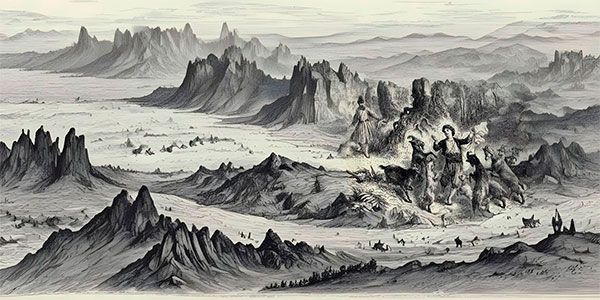
Kaldi
Coffee History and CultureKaldi is the Ethiopian shepherd of legend who discovered coffee. His goats ate the red berries and wouldn't stop jumping. Kaldi tried one and felt the power. Thus the myth was born. Maybe it wasn't like that, but his story is told with every cup. The mythical origin of coffee according to Kaldi still inspires lovers of the bean. The first coffee lover.

Kaldi (legend)
Coffee History and CultureLegend has it that Kaldi, an Ethiopian shepherd, noticed his goats going wild after eating some red berries. Curious, he tried one and… boom! The story of coffee was born. We don't know if it was real, but it sounds so cool that it stuck as the legend of the origin of coffee in Ethiopia.

Kalita Wave
Brewing MethodsIt is a Japanese filter method with a flat bottom and three holes. It gives an even extraction, with body and clarity. Ideal for highlighting sweet or balanced profiles. It's like the more technical brother of the V60. If you are looking for a more precise way to brew specialty coffee, the Kalita Wave is ideal for achieving balanced flavors at home.

Kopi Luwak
Exotic and Luxury CoffeesKopi Luwak is one of the most exotic (and controversial) coffees in the world. The Kopi Luwak process is unique: the beans pass through the digestive system of a civet, a small mammal that selects only the ripest cherries. After being collected, they are cleaned and roasted, resulting in a smooth coffee with no bitterness and a very particular profile. Expensive, rare, and surrounded by mystery. Ideal for curious palates.

The Coffee Belt
Bean Varieties and RegionsThe zone between the tropics where coffee grows best: altitude, sun, and balanced rainfall. This is where the world's top coffees are born. If you see "grown in the belt," it's a good sign. The coffee belt is the ideal zone for growing quality beans thanks to its perfect conditions.

Latte
Coffee Types and DrinksEspresso with loooots of steamed milk and a light layer of foam. Smooth, creamy, and friendly for those just stepping into the world of coffee. Perfect to go with chats, books, or rainy days. The latte is the most chill on the menu, with the perfect ratio of coffee and milk for a smooth and comforting experience.

Matcha Latte
Coffee Types and DrinksWhen coffee and green tea make a match. Espresso + milk + matcha powder = a unique flavor, half herbal, half creamy. The Matcha Latte is for those who love the aesthetic, the trendy, and the deliciously different. Perfect if you want a matcha latte with espresso in a single drink.

Iced Latte
Coffee Types and DrinksThe fresh version of the latte. Espresso with cold milk and lots of ice. Creamy, light, and refreshing. Ideal for warm climates or for those who don't give up their latte even when the sun is blazing. The iced latte is the perfect balance between freshness and creaminess, ideal for any craving in the heat.
Leveler
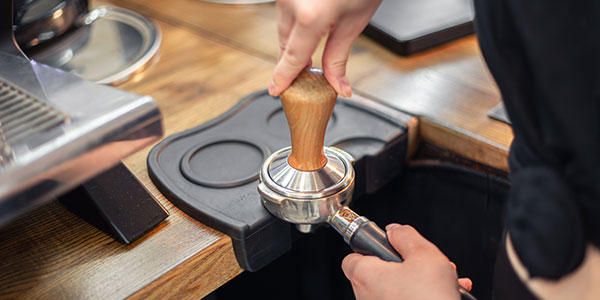
Barista Techniques and ToolsThe coffee leveler is a simple but essential tool: you use it right after placing the ground coffee in the portafilter. By spinning it over the surface, it distributes the coffee evenly, leaving everything ready for tamping. This prevents loose spots and improves extraction. If you are looking for uniformity in espresso preparation, this little gadget makes the difference.
Coffee Logistics
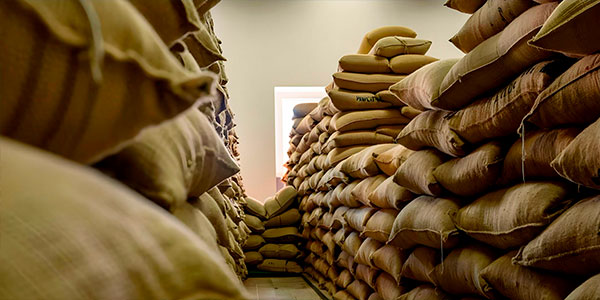
Coffee Industry and BusinessCoffee logistics is everything that happens behind the coffee so it arrives on time and in good condition: transport, storage, packaging, and more. Bad logistics can ruin the best coffee. In the logistics system of specialty coffee, every detail matters. It's the backstage of the coffee world. Without it, no cup is worth anything.
Macchiato
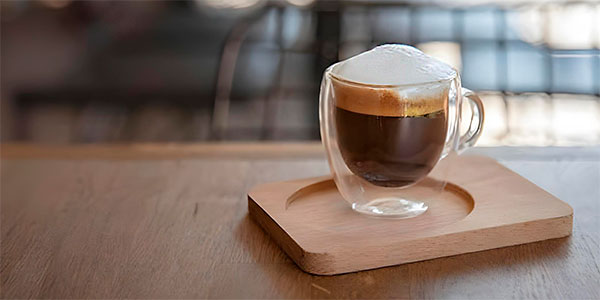
Coffee Types and DrinksIt means "stained" in Italian. It is an espresso with a touch of foamed milk on top. Stronger than a latte, but with that creamy wink that softens the blow. Small but powerful. The macchiato is an intense coffee with a touch of milk, ideal for those who prefer a bold flavor without losing smoothness.
Mandailing Arabica
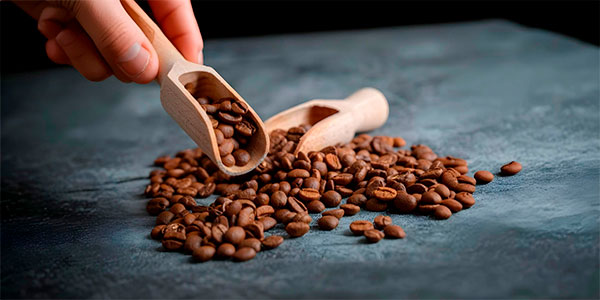
Bean Varieties and RegionsArabica bean grown by the Mandailing people in Sumatra. Earthy notes, cocoa, tobacco, and spices. Dense body, low acidity. It has character and mystery. Sumatra's Mandailing Arabica coffee is intense, deep, and full of personality.

White-Label Coffee
Coffee Industry and BusinessWhite-label coffee is a product made by a third party but marketed under another company's name. It is common in supermarkets or chains that don't roast but do sell. In the white-label coffee model for businesses, the producer stays in the shadows while the brand shines up front. Like the coffee "ghost writer": it doesn't carry its name, but does all the work behind the scenes.

Mazagran
Coffee Types and DrinksCold coffee with lemon? Yes, and it works. Mazagran is a Portuguese/Algerian classic that mixes coffee with lemon juice, ice, and sometimes soda. Refreshing, tart, and different. Coffee Mazagran with lemon and ice is like a coffee cocktail for hot days.
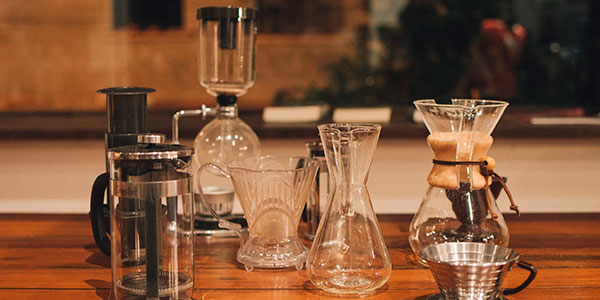
Brewing Methods
Brewing MethodsThese are the different ways to make coffee: filter, espresso, immersion, pressure, or cold. Each offers different flavors, textures, and experiences. Exploring methods is part of the coffee journey. If you don't know where to start, here you can discover which coffee brewing method is best for your style.
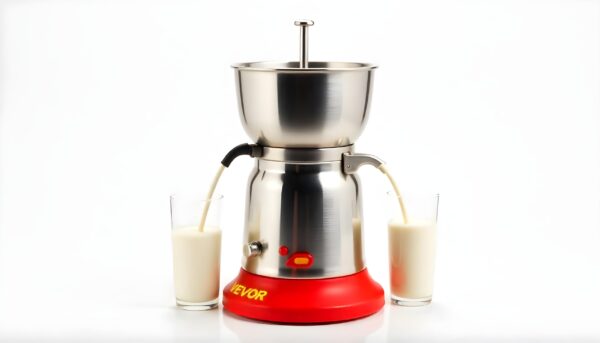
Milk Splitter
Barista Techniques and ToolsThe milk splitter is a double spout used to divide frothed milk into two equal portions, without losing texture or temperature. It is placed on the pitcher or at the moment of serving, ideal if you are preparing two drinks at once. If you want to learn how to pour steamed milk precisely and without complications, this accessory makes it easy.
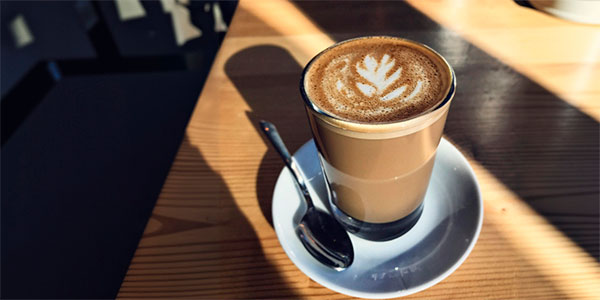
Mocha
Coffee Types and DrinksThe perfect combo of coffee, milk, and chocolate. Served hot, creamy, and with a little foam. Half drink, half dessert. Ideal for lovers of sweet flavor who still want their dose of espresso. Coffee and chocolate mocha is the favorite mix of those who love intense flavor with that indulgent touch.
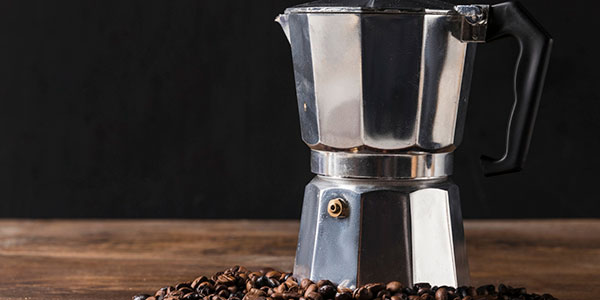
Moka Pot
Brewing MethodsIt is an Italian stovetop coffee maker that uses steam to make concentrated coffee. It's like espresso's homemade cousin. It has body, intensity, and that classic flavor. Ideal for mornings with character. And if you want that strong flavor at home, learning how to make coffee in a Moka Pot correctly is the first step.

Naked Shot
Barista Techniques and ToolsA naked shot is espresso extracted with a bottomless portafilter. "Naked" because there is nothing hiding the flow: you see the crema, the color, the fall of the coffee… everything. This transparency lets you detect mistakes and successes instantly. If you want to know how to visually analyze an espresso, this method is perfect for watching your technique in action and improving it.
Anaerobic Natural
Exotic and Luxury CoffeesThe anaerobic natural process leaves the bean in its husk while it ferments without oxygen. This intensifies the flavor: more sweetness, more fruit, more body. It's a flavor bomb, ideal for those who love coffees with character. If you are wondering what the anaerobic natural process is in coffee, it's pure, well-controlled intensity.
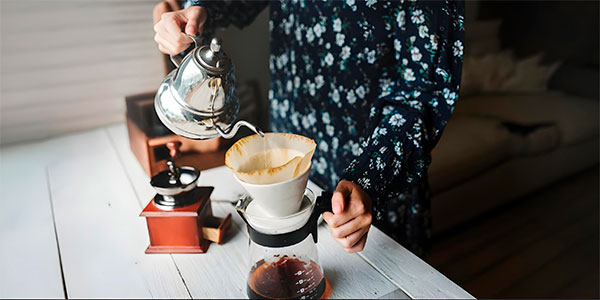
Nel Drip
Brewing MethodsNel Drip is the Japanese coffee ritual. It uses a special cloth filter and is brewed slowly, with care. The result: a cup with silky body and complex flavors. It is a delicate and nostalgic method. The Japanese Nel Drip method with a cloth filter is ideal for those who enjoy coffee without rushing.

Nitro Cold Brew
Brewing MethodsIt is cold brew infused with nitrogen. It comes out of a tap, like beer, and has a creamy, bubbly texture and a sweeter taste. It has no milk or sugar, but it seems like dessert. It's the coffee of the future served in a pint. If you want to take your bar to the next level, learn how to make nitro cold brew at home.
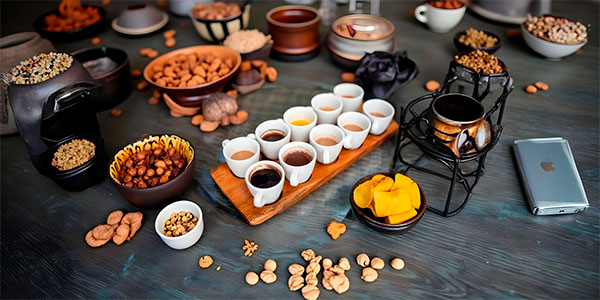
Notes
Flavors, Aromas, and CuppingHave you wondered what notes are in coffee? They are the specific flavors you can perceive: mango, jasmine, chocolate, nuts… They aren't added; they come from the bean, its origin, and its processing. Detecting them is like playing "what does this taste like to me?". Every cup is a different experience and your palate is in charge.
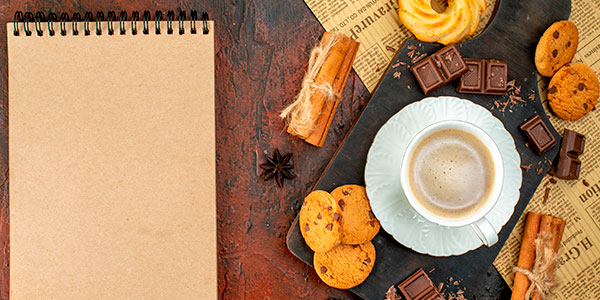
Chocolatey Notes
Flavors, Aromas, and CuppingChocolatey notes in coffee can range from dark cocoa to the creamiest milk chocolate. They are a sweet comfort that soothes and pleases almost everyone. If you like chocolate-profile coffee flavors, this is a cup that never fails: smooth, indulgent, and perfect for any moment.

Citrus Notes
Flavors, Aromas, and CuppingCitrus notes in coffee feel like a touch of orange, lemon, or grapefruit that wakes up your mouth with energy. That bright acidity brings freshness and dynamism to the cup, perfect for those who enjoy a vibrant, sparkling profile. If you ever thought coffee could have a fruity spirit, here is the proof.

Floral Notes
Flavors, Aromas, and CuppingDon't know what floral notes in coffee are? They are delicate flavors like jasmine, lavender, or roses that appear especially in Geisha or Ethiopian-origin coffees. They don't smell like perfume, but they do smell like a garden. They give coffee elegance, smoothness, and that touch that charms without saying a word.
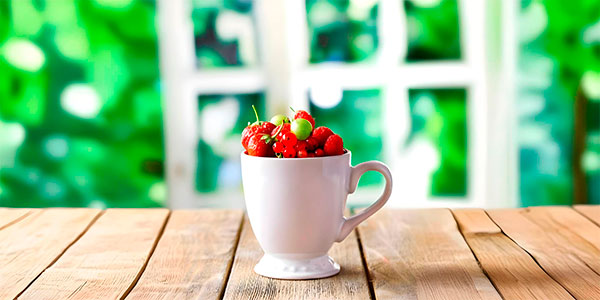
Fruity Notes
Flavors, Aromas, and CuppingHave you wondered what fruity notes in coffee are? They are those flavors of fruits like apple, berries, or mango that appear thanks to the bean variety, the altitude where it is grown, and its processing. They are common in specialty coffees and give the cup freshness, acidity, and that sparkling touch that makes it unforgettable.

Tropical Fruit Notes
Flavors, Aromas, and CuppingWhen flavors like pineapple, mango, passion fruit, or guava appear in your cup, you're enjoying tropical fruity notes in coffee. These exotic notes turn every sip into a kind of mini vacation. Cheerful, juicy, refreshing… perfect for those looking for something out of the ordinary with a touch of sun in every sip.

Herbal Notes
Flavors, Aromas, and CuppingHerbal notes evoke fresh, green sensations: freshly cut grass, mint, green tea. They are typical of coffees grown at altitude, where the climate lends purity to the bean. Enjoying herbal flavors in high-altitude coffees is like taking a breath in the middle of the forest: clean, natural, and relaxing.
Obatá
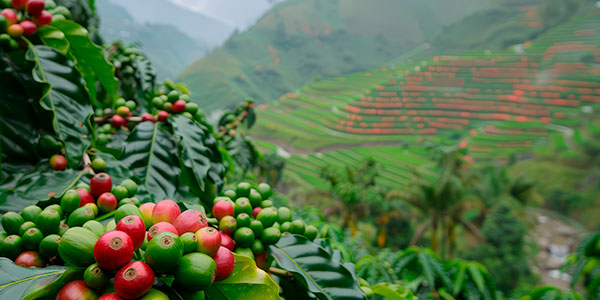
Bean Varieties and RegionsObatá is a coffee plant variety created in Brazil. It is grown because it resists diseases and yields well, but it also gives a tasty cup, with sweet and balanced notes. Among disease-resistant coffee varieties with good cup quality, Obatá is like that multitasking buddy who does everything well, without so much drama.

Orange Bourbon
Exotic and Luxury CoffeesOrange Bourbon is a natural mutation of the classic Bourbon, but it bears orange-colored fruit. This rarity is not only visual, it also influences flavor: pronounced sweetness, citrusy acidity, and intense aromas. If you're someone who looks for coffee varieties with exotic fruit, this is a must.

Single Origin
Bean Varieties and RegionsCoffee that comes from a single farm, region, or country. It is not blended with others. It lets you taste the terroir as is. It's like listening to a whole album instead of a remix. What is single-origin coffee: an authentic expression of the place where it is born, direct and full of coffee identity.
Paddle
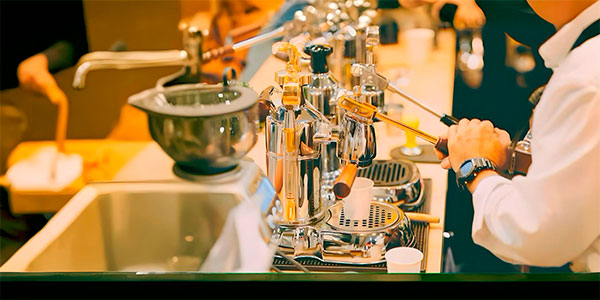
Barista Techniques and ToolsThe paddle is a lever that controls the pressure and flow of water in manual or professional espresso machines. It is used to modify pre-infusion and fine-tune each extraction with precision. Ideal if you want to master the use of the paddle in artisanal espresso. More control, more expression.
Parainema
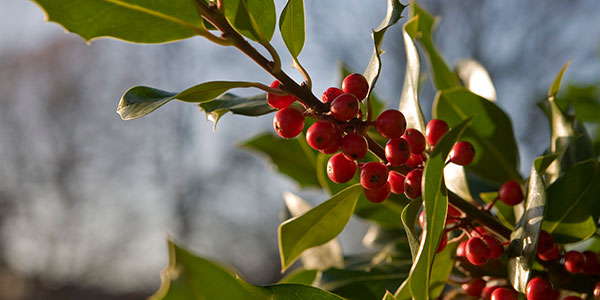
Bean Varieties and RegionsParainema is a plant with pointed leaves and an out-of-this-world flavor. Created in Honduras, it yields coffees with spicy, floral, or fruity notes. In the world of differentiated coffee, the Parainema variety with a spicy and floral profile is the alternative gem of the coffee farm: it's not mainstream, but if you try it, it hooks you.
Peaberry
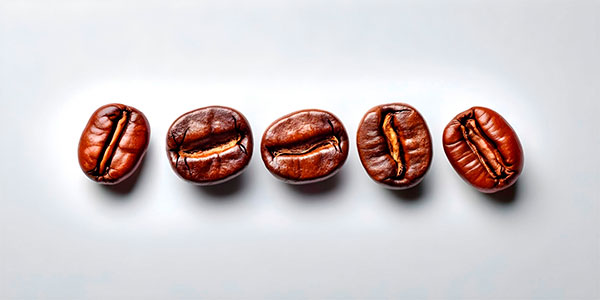
Bean Varieties and RegionsIf you're wondering what peaberry coffee is: it's a round, tasty bean with lots of flow—instead of two beans, the cherry produces one rounded bean. It is believed to concentrate more flavor and sweetness. Rare (only 5–10% of the harvest) and highly sought after. Like finding a tiny diamond in your cup.

Percolator
Brewing MethodsIt is a classic coffee maker that boils the water and circulates it through the coffee several times. It gives a strong, traditional drink. Widely used for camping or in old kitchens. It's not subtle, but it is powerful. And if you have one at home, you'll love knowing how to make percolator coffee the traditional way.
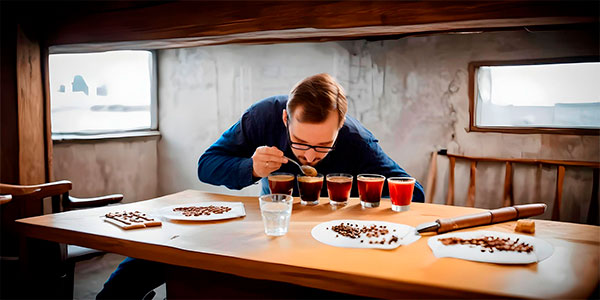
Flavor Profile
Flavors, Aromas, and CuppingThe flavor profile of coffee is like its birth chart: a unique combination of aromas, body, acidity, and notes. It can be chocolatey, fruity, floral, or earthy. Knowing it helps you choose what you really like in a cup. Because every coffee has personality… and it shows from the first sip.

Pitcher
Barista Techniques and ToolsThe pitcher is the stainless steel jug used to texture steamed milk and create latte art. Its shape helps generate a creamy, manageable microfoam. If you're interested in the ideal pitcher for latte art, this is your brush, and the milk, your canvas.

Portafilter
Barista Techniques and ToolsThe portafilter is the metal handle that holds the ground coffee and attaches to the espresso machine. If it is well loaded and leveled, the extraction will be even and with good crema. Learning to use the right portafilter for espresso makes a difference in every cup.
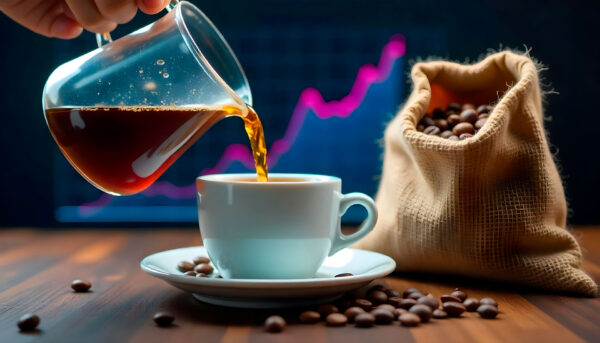
Differentiated Pricing
Coffee Industry and BusinessDifferentiated pricing means paying more for a coffee that has something special: better quality, a unique process, or an outstanding origin. It is not a generic price, it is fair recognition. If you wonder why some coffees have differentiated pricing, the answer lies in valuing the work and excellence behind each bean.

First Wave of Coffee
Coffee History and CultureThe first wave of coffee is the stage when coffee became mass-market: industrial production, big brands, and coffee as a commodity. More quantity than quality. Coffee to wake up, not to enjoy. This was the foundation of modern consumption, marked by the rise of commercial coffee in the first wave. It's the era of cans, sachets, and soulless cups.
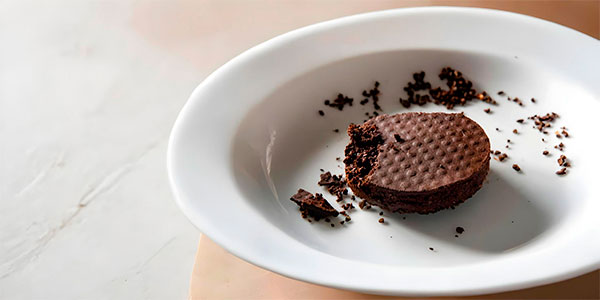
Puck
Barista Techniques and ToolsThe puck is the compact disc of ground coffee left in the portafilter after extraction. Its texture and shape reveal whether the shot was good or failed. Knowing how to make a well-formed coffee puck is key to achieving an even extraction, without channeling and with good flavor.

Purging the Machine
Barista Techniques and ToolsPurging the machine is releasing water or steam before and after using it to clean residue and stabilize the temperature. It is a key step in daily maintenance. If you wonder when and why to purge the espresso machine, the answer is simple: to avoid off flavors and extend the life of the equipment.

Ratio
Barista Techniques and ToolsThe ratio is the proportion between ground coffee and water you use in each preparation. It defines intensity, body, and balance. For example: 1:2 for espresso, 1:15 for V60. Understanding how to calculate the coffee ratio is essential for achieving consistency and balanced cups.
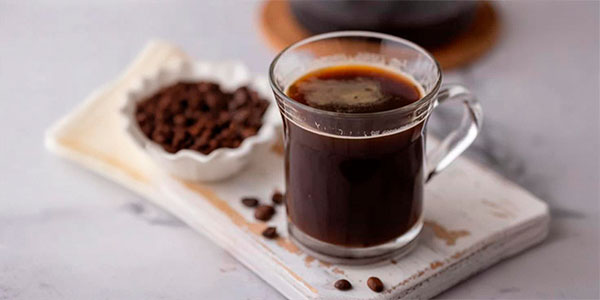
Red Eye
Coffee Types and DrinksSleepy? This is coffee on steroids. A cup of filter coffee with a shot of espresso on top. Double caffeine, double energy hit. It's for those who need to wake up right now. The red eye combines filter coffee with espresso for an intense, direct dose with no beating around the bush.

Roundness
Flavors, Aromas, and CuppingRoundness in coffee is noticed when everything flows smoothly, with no flavors imposing themselves. No spikes, no drama. Just total harmony in the mouth. A round coffee is like a liquid hug: nothing bothers, everything adds up. It doesn't seek to highlight a single note, but the whole is enjoyed.

Refractometer
Barista Techniques and ToolsThe refractometer is a device that measures the dissolved solids in coffee and tells you whether it is well extracted. It is a key tool for those seeking precision. If you're interested in how to use a refractometer with coffee, this little bit of science can make a big difference in your results.

Sweet Aftertaste
Flavors, Aromas, and CuppingThe sweet aftertaste is that soft sweetness that remains at the end of the sip, like a memory of ripe fruit or light caramel. It isn't cloying, it just caresses the palate. When a coffee has a lingering sweetness, the experience ends with a smile.

Ristretto
Coffee Types and DrinksAn even shorter, more concentrated, and more powerful espresso. It is extracted with less water, for less time. The result: more intense flavor, less bitterness. Small but explosive. For those wondering what a ristretto is in coffee, it's a compact shot with all the attitude.
Robusta
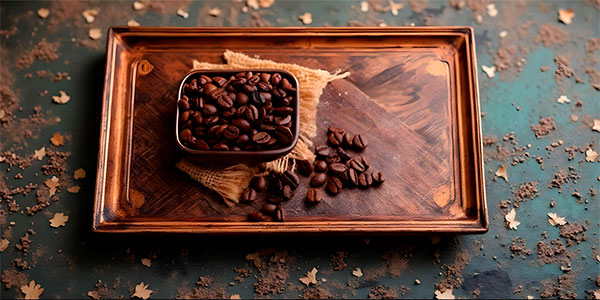
Bean Varieties and RegionsCoffee bean (Coffea canephora) with twice the caffeine of arabica. Bitter flavor, strong body, and low acidity. Ideal for intense espressos or blends with punch. If you wonder what robusta coffee is: it's liquid power, straight to the point and no beating around the bush.

Ruiru 11
Bean Varieties and RegionsRuiru 11 comes from Kenya and was designed to defend itself against pests. It is a compact but powerful plant. If treated with care, it yields tasty and balanced coffees. Among African options, the disease-resistant Ruiru 11 coffee variety is like that buddy who doesn't boast but always delivers results.
Coffee Route
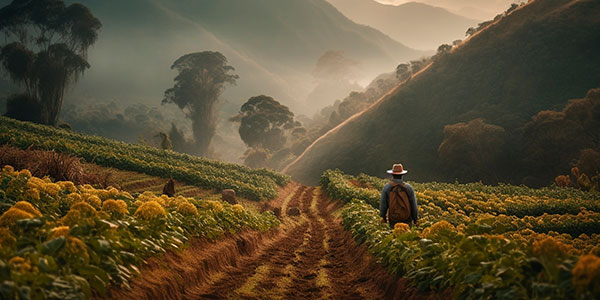
Coffee History and CultureThe coffee route in Mexico is a tourist experience where you visit farms, taste freshly roasted coffee, and meet those who grow it. It is a journey that combines landscape, tradition, and flavor. If you ever dreamed of understanding where your cup comes from, taking a coffee route in Córdoba or Veracruz is a perfect way to connect with Mexico's coffee history and support local producers.

Fermented Flavors
Flavors, Aromas, and CuppingFermented flavors in coffee are intense, bold, and a little wild. They recall natural wine, kombucha, or overripe fruit, and develop from uncommon processes. If you are intrigued by discovering coffee flavors from extended fermentation, this is your party: complex, vibrant, and for palates that enjoy the unusual.
Earthy Flavors
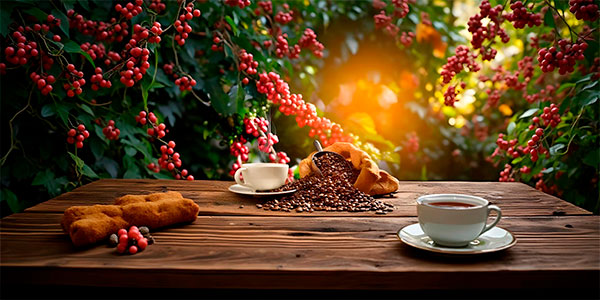
Flavors, Aromas, and CuppingEarthy flavors in coffee may remind you of forest, roots, or damp earth. Common in Sumatran coffees or those with special wet processes. They are intense, rustic, and have that deep profile that delights adventurous palates. It's not dirty, it's natural and full of character.
Sand Coffee
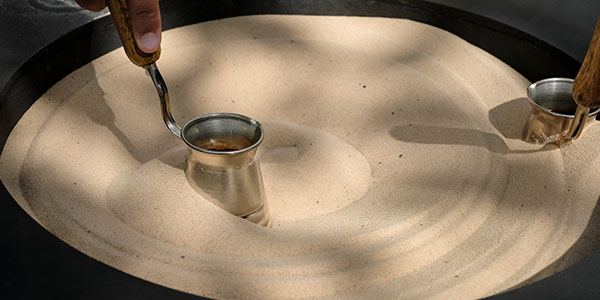
Brewing MethodsSand Coffee, or coffee in sand, is pure show and flavor. A Turkish technique where ground coffee is heated with water and sugar over hot sand. Thick, intense, and with all the mystical vibe of One Thousand and One Nights. If you are looking for a visual and sensory experience, traditional Turkish-style sand coffee is a must.

SCA Score
Coffee Industry and BusinessThe SCA score is the rating the Specialty Coffee Association gives a coffee. If it gets more than 80 points, it is considered specialty coffee. The higher the score, the greater the recognition. If you're interested in how the SCA coffee score is calculated, it is a precise system that evaluates aroma, flavor, balance, and more.
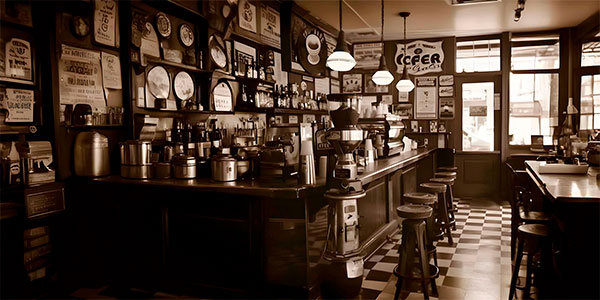
Second Wave of Coffee
Coffee History and CultureThe second wave of coffee is when we started talking about origin, bean types, and flavors. Starbucks-style coffee shops arrived. It becomes an experience, not just a drink. The cup improves, but it is still global and standardized. This stage marked a cultural shift: the beginning of coffee as a consumer experience. Coffee goes up a level, but isn't exquisite yet.

Shot
Barista Techniques and ToolsA shot is the concentrated dose of coffee extracted with an espresso machine. Small, intense, with crema and body. It is the base of many drinks or can be enjoyed on its own. Knowing what a well-made espresso shot is helps you recognize when the extraction is spot on.
Shower Screen
Barista Techniques and ToolsThe shower screen is the metal mesh located on the group head of the espresso machine. Its function is to distribute water evenly over the coffee. If it is dirty or damaged, it affects extraction and flavor. Keeping it clean is key to ensuring even water distribution in espresso.
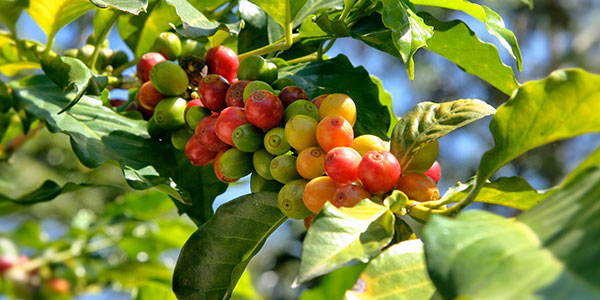
Sidra (variety)
Exotic and Luxury CoffeesSidra is a coffee variety that combines the best of several worlds: elegant acidity, fruity sweetness, and intense aroma. It comes from a super fine genetic mix and is highly sought after in barista competitions for its complexity and balance. If you wonder what is special about the Sidra variety in coffee, the answer is: everything. It's the fine wine of varieties, ideal for demanding palates.

Japanese Siphon
Brewing MethodsIt is a laboratory-style coffee maker that uses vacuum and pressure to extract coffee. It is a visual and technical show. The result: clean, aromatic, and complex coffee. Ideal for those who love science and style. And if you like to impress, try making coffee with a Japanese siphon like a true barista.
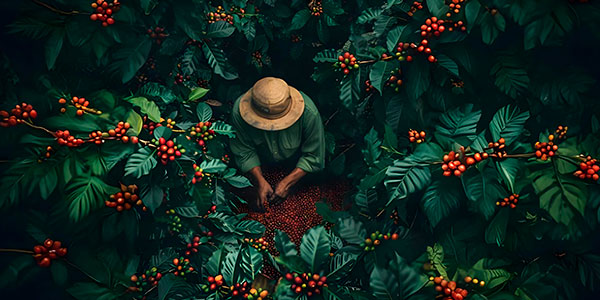
SL28
Bean Varieties and RegionsSL28 is a coffee plant from Kenya. Famous for giving beans with fruity flavor, bright acidity, and lots of body. It is one of the most valued in specialty coffees. In the world of African-origin coffee, the Kenyan SL28 variety for specialty coffees is a guarantee of top flavor.
SL34
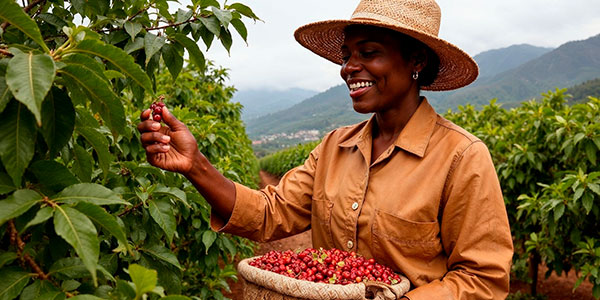
Bean Varieties and RegionsThe SL34 coffee variety is native to Africa, developed in Kenya as a resilient option for wetter climates. Similar to its close relative SL28, this plant stands out for its adaptability to high-rainfall areas. Its beans offer a cup with intense flavor, bright acidity, and pronounced body, qualities that make it highly appreciated by producers and cuppers in tropical regions. On many coffee farms, SL34 is synonymous with reliable yield and quality under challenging conditions.
Sock Brew
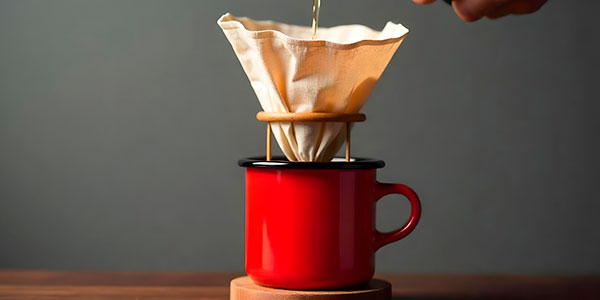
Brewing MethodsYes, it sounds odd, but Sock Brew, or "sock coffee," is pure tradition. Basically you use a cloth filter (sock-style) to brew coffee. The result is smooth, with body and lots of flavor. Among the most artisanal methods, sock brew coffee with a cloth filter is like grandma… but barista.
Steampunk Brewer
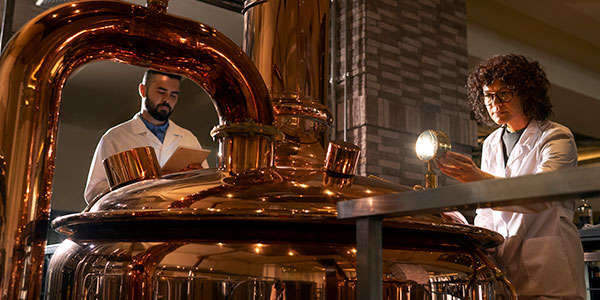
Brewing MethodsThe Steampunk Brewer is like a futuristic coffee laboratory. You control pressure, temperature, and time to achieve the perfect cup. Everything looks out of this world, but the result is pure liquid art. If you like precision and style, the Steampunk Brewer for coffee with total control is your best ally. Technology with flow.
Sumatra
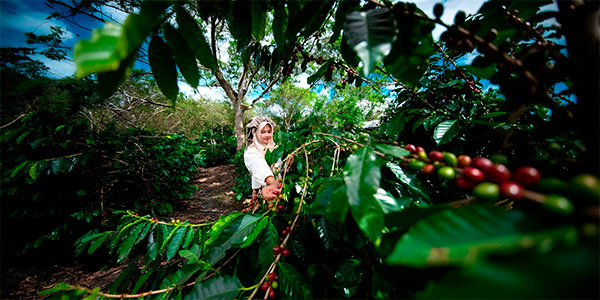
Bean Varieties and RegionsAn island in Indonesia known for arabica coffees with the "wet-hulled" process. Dense body, low acidity, and deep notes: earth, tobacco, dark chocolate. When we talk about Sumatran coffee: it is jungle, humidity, and rugged flavor. Perfect for those who love intensity with character.
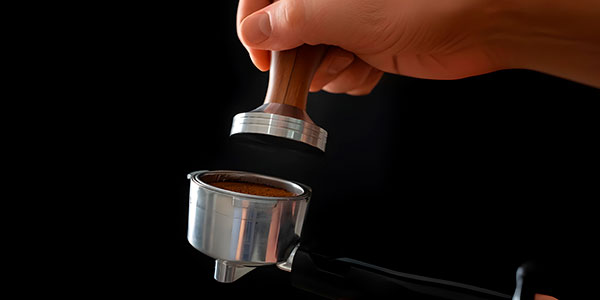
Calibrated Tamper
Barista Techniques and ToolsA calibrated tamper is a coffee tamper that incorporates an internal spring to always apply the same pressure. This eliminates human error and improves consistency between cups. Anyone can use it and get professional results. If you want to tamp coffee evenly and precisely, this is your ally.

Tamping
Barista Techniques and ToolsTamping is the act of compacting ground coffee in the portafilter using a tamper. Doing it well ensures an even extraction. If you don't know how to do good tamping for espresso, start by applying even pressure and avoiding tilting. Simple, but key.
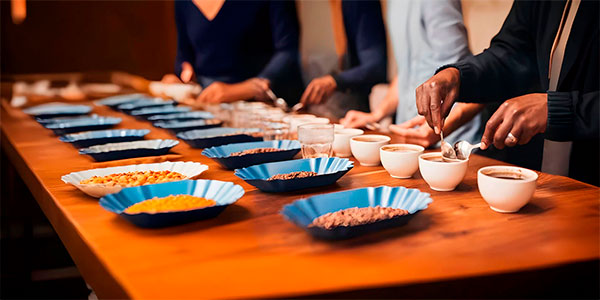
Cupping Bowl
Barista Techniques and ToolsThe cupping bowl is the official vessel for cupping: handleless, wide, and designed to evaluate coffee without interference. If you're interested in sensory analysis, learning what the cupping bowl is used for in coffee is a good first step toward cupping like the pros.

Clean Cup
Flavors, Aromas, and CuppingA clean cup in specialty coffee is like a well-focused photo: everything feels clear, without off flavors or background noise. It is one of the most valued attributes because it lets each note express itself sharply. If your cup tastes clean, you know you're drinking something pro.
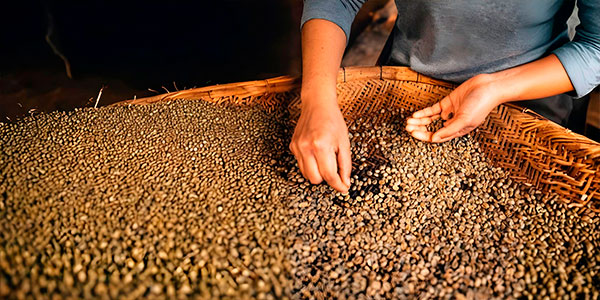
Third Wave of Coffee
Coffee History and CultureThe third wave of coffee is the movement that sees coffee as an artisanal product. Origin, variety, roast, and preparation matter. Like wine or craft beer. Traceability, quality, and respect for the bean rule here. In this approach, specialty coffee as an artisanal product becomes the center of everything. Coffee with heart.

Texturing Milk
Barista Techniques and ToolsTexturing milk is using steam to heat it and create a silky microfoam, without large bubbles. Done well, it transforms milk into liquid velvet. Learning how to texture milk for latte art opens the door to better flavors and designs in the cup.

Light Roast
Flavors, Aromas, and CuppingLight roast coffee is roasted for less time, preserving acidity and highlighting bright, fruity, or floral notes. It has a light body and is ideal for methods like Chemex or V60. It is the roast chosen by those seeking freshness, definition, and a sparkling profile.
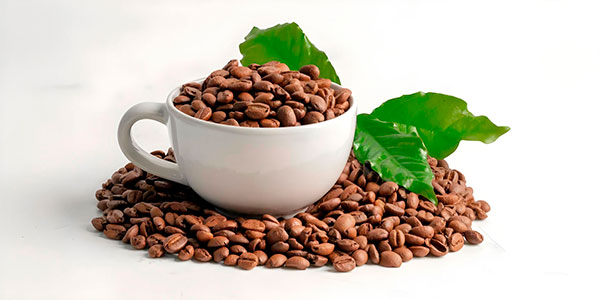
Medium Roast
Flavors, Aromas, and CuppingMedium roast in coffee is pure balance: body, acidity, and sweetness coexist without fighting. You can find caramelized, fruity notes and a very versatile structure. If you don't know what to choose, this is your coffee wild card. The right point for everything.

Dark Roast
Flavors, Aromas, and CuppingDark roast coffee has a strong profile, with notes of cocoa, nuts, or even charcoal. It is roasted longer, which lowers acidity but raises intensity. Ideal for espressos and for those seeking power without filters. It's the heavy rock of coffee: dark, direct, and with lots of attitude.

Commercial Roaster
Coffee Industry and BusinessThe commercial roaster is the one who roasts coffee on a large scale to sell to coffee shops, stores, or brands. They work with large batches and seek consistency. Unlike the artisanal roaster, their focus is efficiency and volume. In the professional coffee world, the commercial roaster for businesses and retail has a clear mission: that every bag tastes equally good, always.

Full Traceability
Coffee Industry and BusinessFull coffee traceability lets you know the complete path: from the farm to your cup. Knowing who grew it, how it was processed, where it traveled, and who roasted it. It's pure transparency. If you're interested in how to know the exact origin of a coffee, full traceability is what guarantees you're drinking something authentic and well made.
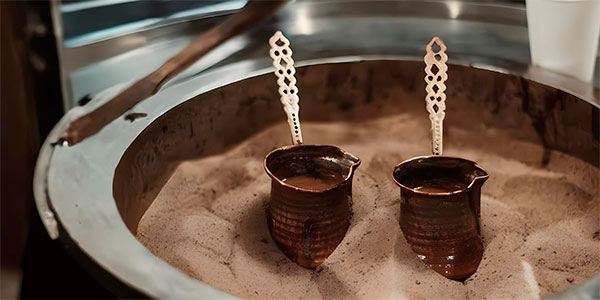
Turkish
Brewing MethodsA traditional Middle Eastern method. Super-fine coffee is used, boiled with water and sugar in a cezve and served unfiltered. It has body, sediment, and lots of punch. It's coffee as it was made centuries ago. If you want to replicate that authentic flavor, learn how to make original Turkish coffee at home.
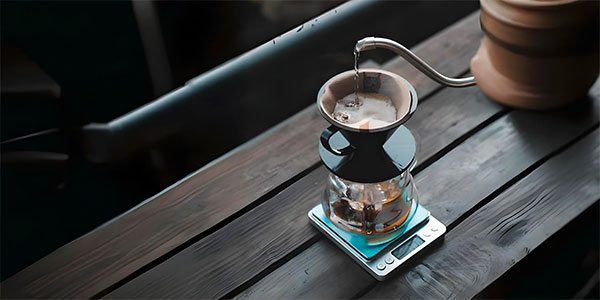
V60
Brewing MethodsIt is a Japanese cone-shaped filter method with a single hole. It lets you control every variable: time, flow, and temperature. The coffee turns out clean, bright, and with defined notes. If you wonder how to brew coffee with a V60 precisely, this method gives you total control over every drop.
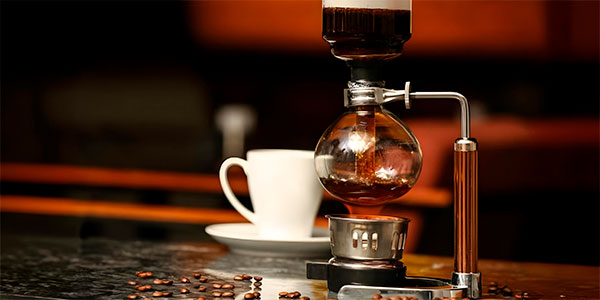
Vacuum Pot
Brewing MethodsIt is a coffee maker with two chambers that uses vacuum to move the water and extract the coffee. It is similar to the siphon and gives a clean, aromatic, and elegant coffee. It is also pure show at the bar. If you want technique, flavor, and a touch of spectacle, discover how to use the vacuum pot to brew coffee in style.

Vienna Coffee
Coffee Types and DrinksCoffee with European glamour. It is prepared with one or two shots of espresso and topped with whipped cream. It has no steamed milk. Sweet, elegant, and creamy. Classic-style Vienna coffee with whipped cream is ideal for long afternoons or a touch of cinema in your cup.
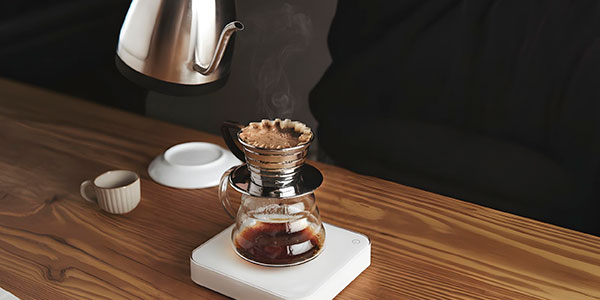
Vietnamese Phin
Brewing MethodsThe Vietnamese Phin is a small coffee marvel: an individual metal press that sits directly on top of the cup. Although its method is slow, the result is a strong, aromatic coffee with character. It is ideal for making Vietnamese coffee with condensed milk, a traditional recipe that combines intensity and sweetness. If you like to enjoy your coffee with a pause and flavor, this Asian gem has all the charm of a handmade experience.
Walküre
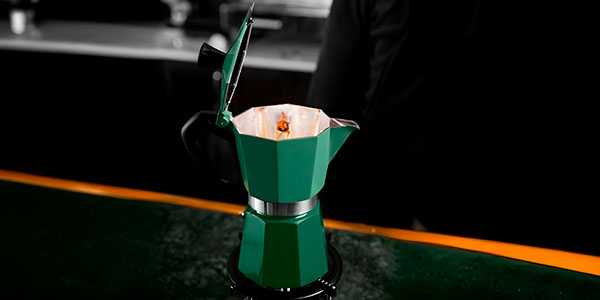
Brewing MethodsThe Walküre is a German porcelain coffee maker that filters without paper. Clean coffee, but with more body and oils. It's the elegant minimalism of coffee: pure class without complications. If you like the classics, the porcelain Walküre for coffee without a paper filter is pure style in every cup.
Warehouse Release
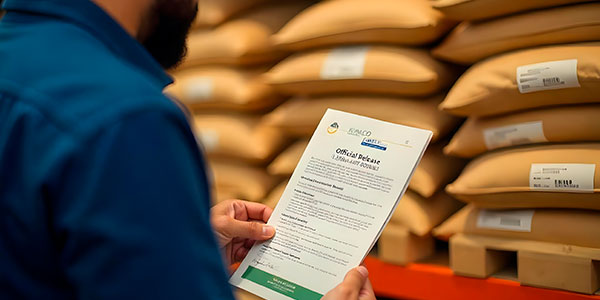
Coffee Industry and BusinessThe warehouse release is the document that authorizes the coffee's departure from the warehouse. It is an essential part of the logistics process, since without this paper, the coffee cannot move. If you have ever wondered what a warehouse release is in coffee export, it's the thing that marks "it's ready to ship."
WDT Tool
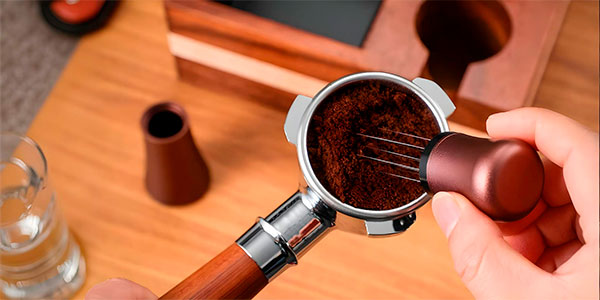
Barista Techniques and ToolsThe WDT Tool is a tool with fine needles that helps distribute coffee in the portafilter before tamping. It improves extraction and prevents channeling. If you wonder what the WDT tool is for in espresso, the answer is in every more uniform and balanced cup.
Wet Hulled
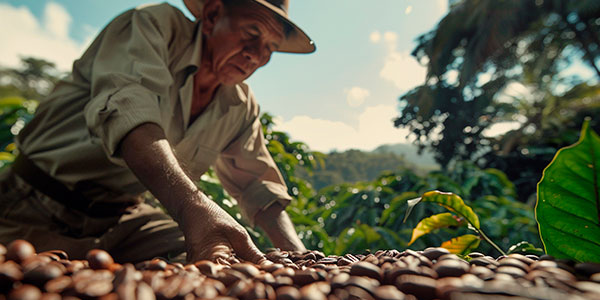
Exotic and Luxury CoffeesWet hulled is a method typical of Indonesia. In this process, the coffee is partially dried before the husk is removed, resulting in earthier, spicier flavors with lots of body. If you like the rugged and different, this is your path. Ideal for those seeking coffees with strong, different flavor.

Wush Wush
Exotic and Luxury CoffeesWush Wush is a very rare coffee variety from Ethiopia. Its notes are as intense as its name: floral, fruity, and with a sweet bubble-gum-like twist. Very complex, highly sought after, and adored by experts. If you are looking for rare coffee varieties with unique flavors, Wush Wush is the holy grail.
You have viewed 12 of 206
We couldn't find any terms matching that search.
Check the spelling or try another word.
Join our newsletter
Launches, promotions, and all the latest news from CAFIVER.